Yezidi. Their stories.
Four young people. One shared background. A photo and story exhibition about identity, culture, and the strength to tell your own story.
A new day for every story.
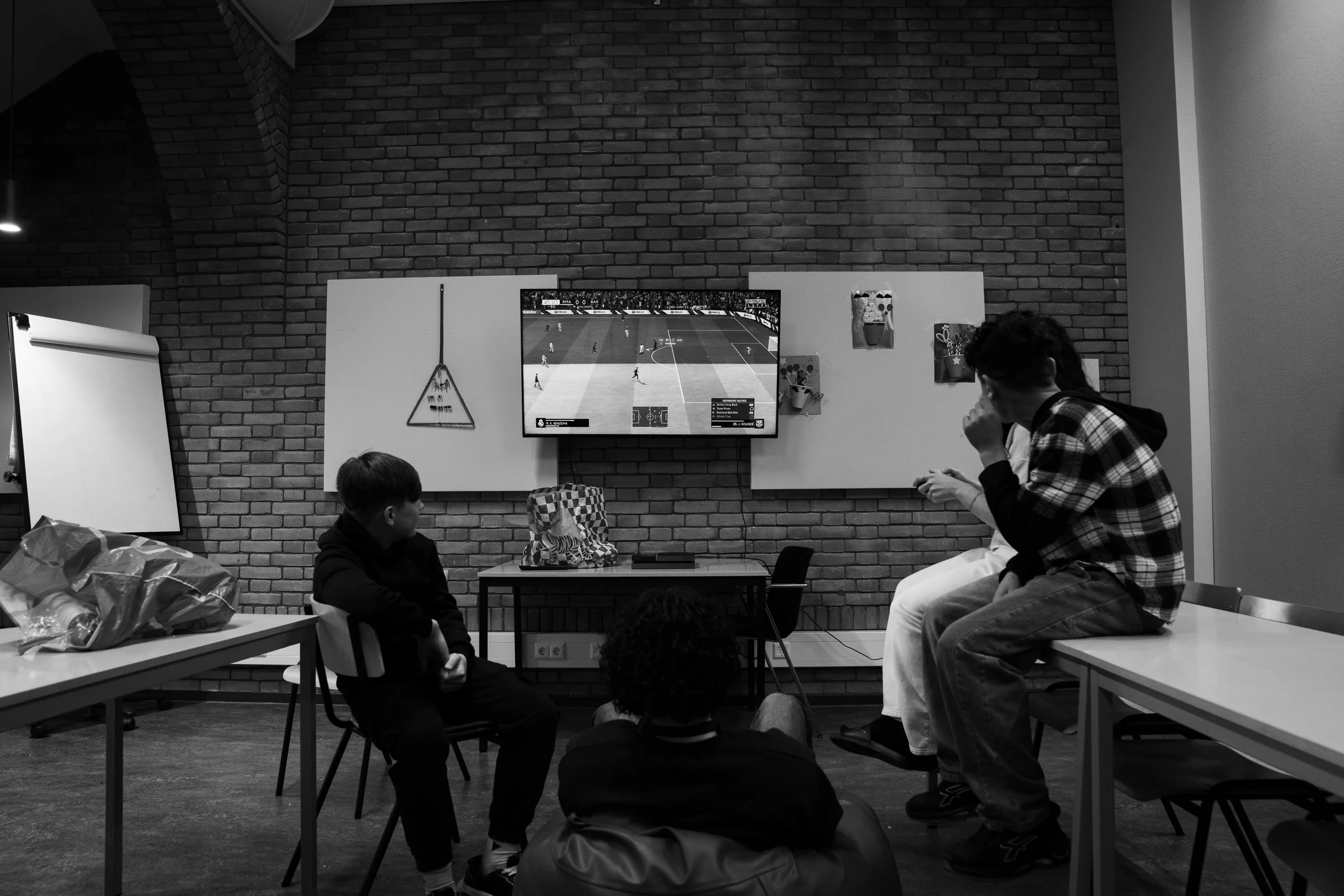
Nowruz means “new day” — symbolizing a new beginning, connection, and hope. Within this vision, we organised an MDT programme for young asylum seekers, combining weekly futsal training sessions with creative workshops to build confidence, teamwork, and self-expression.
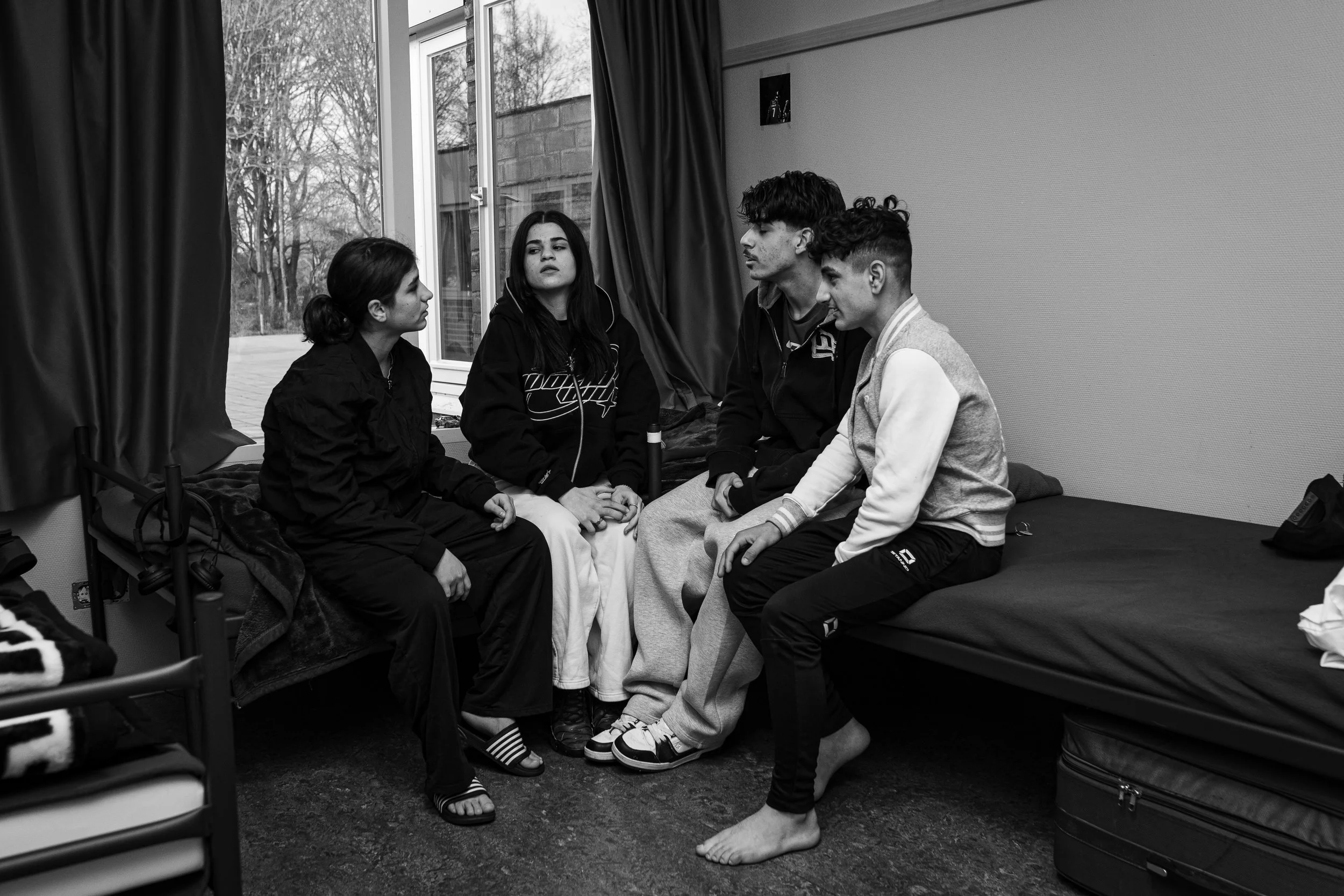
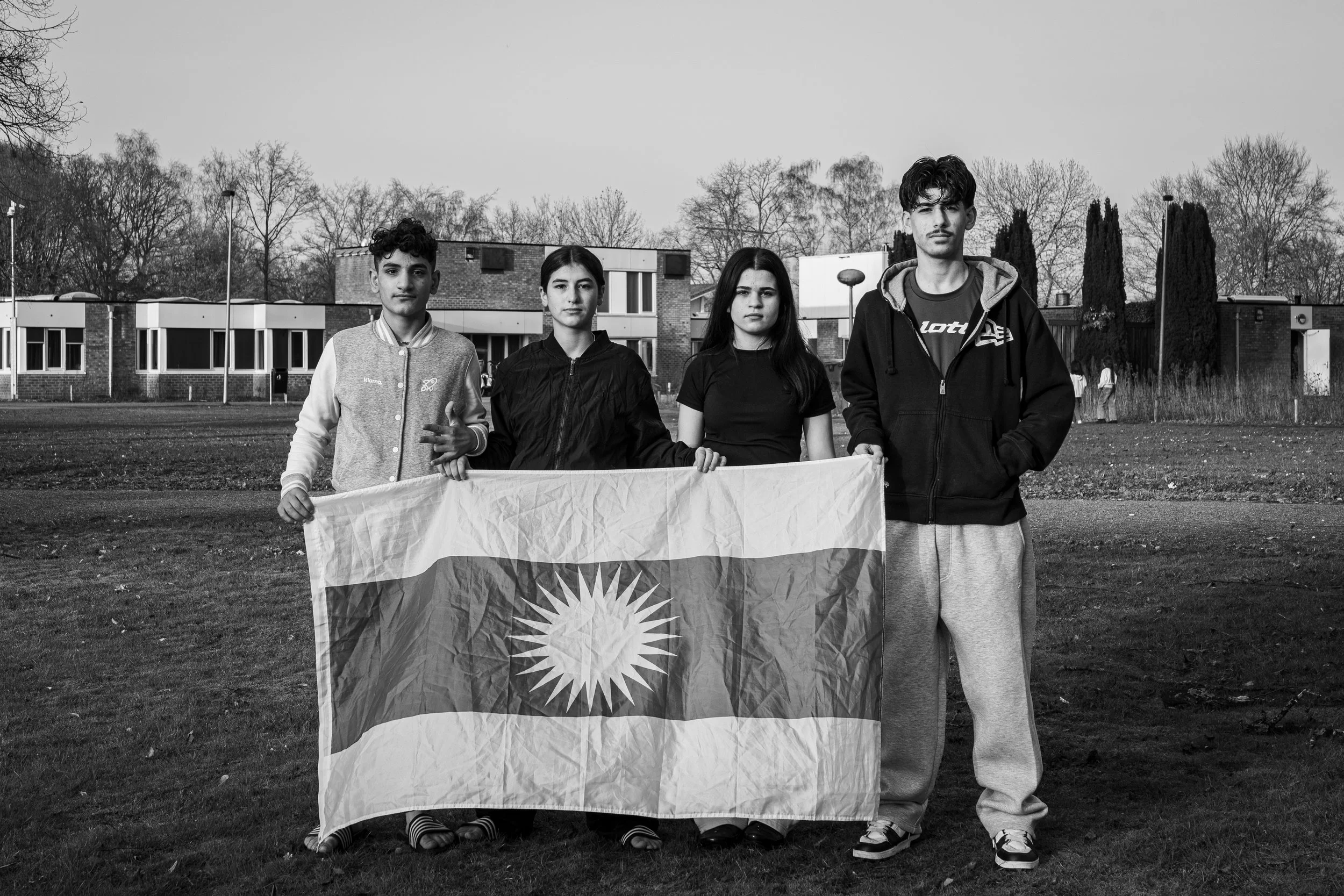
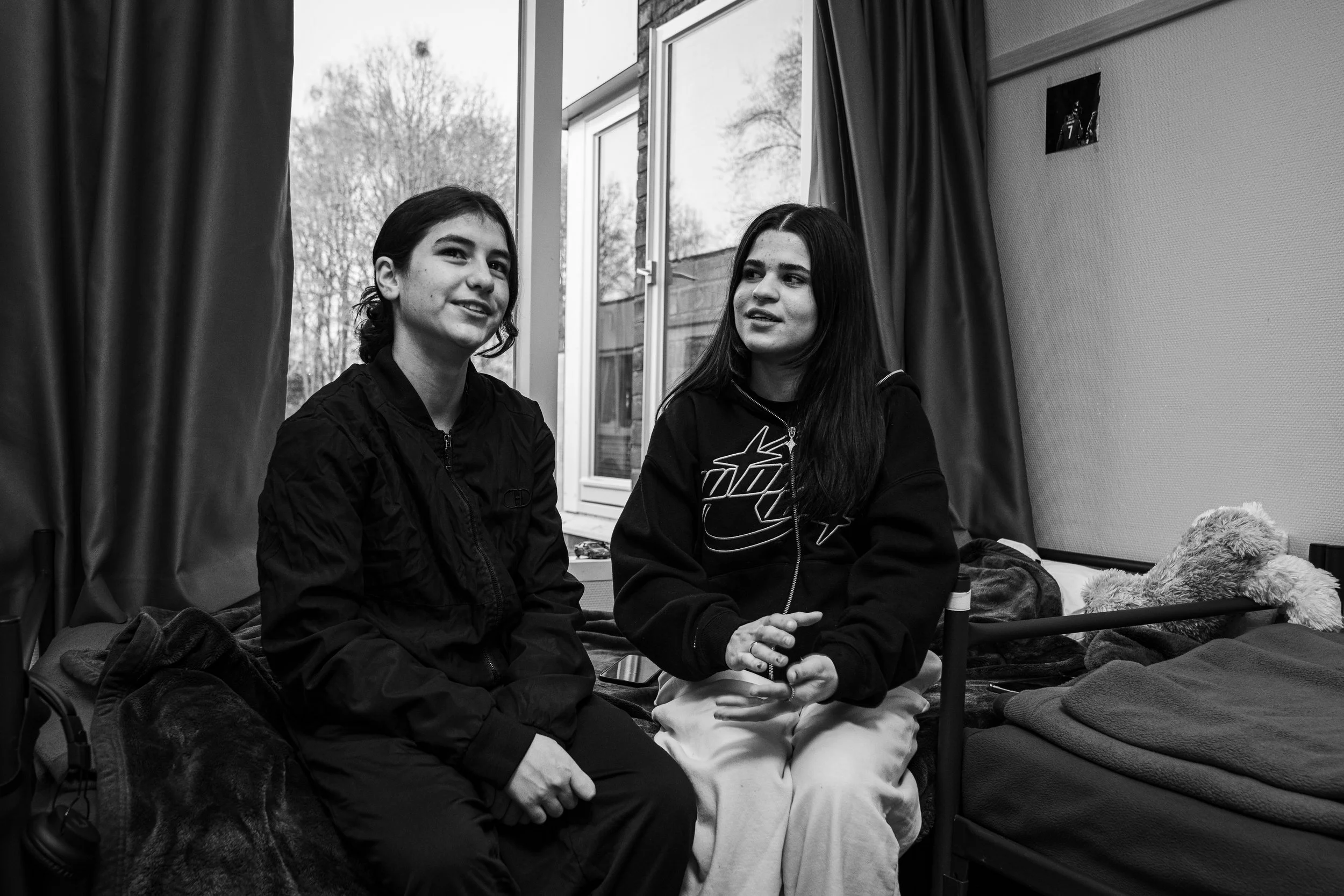
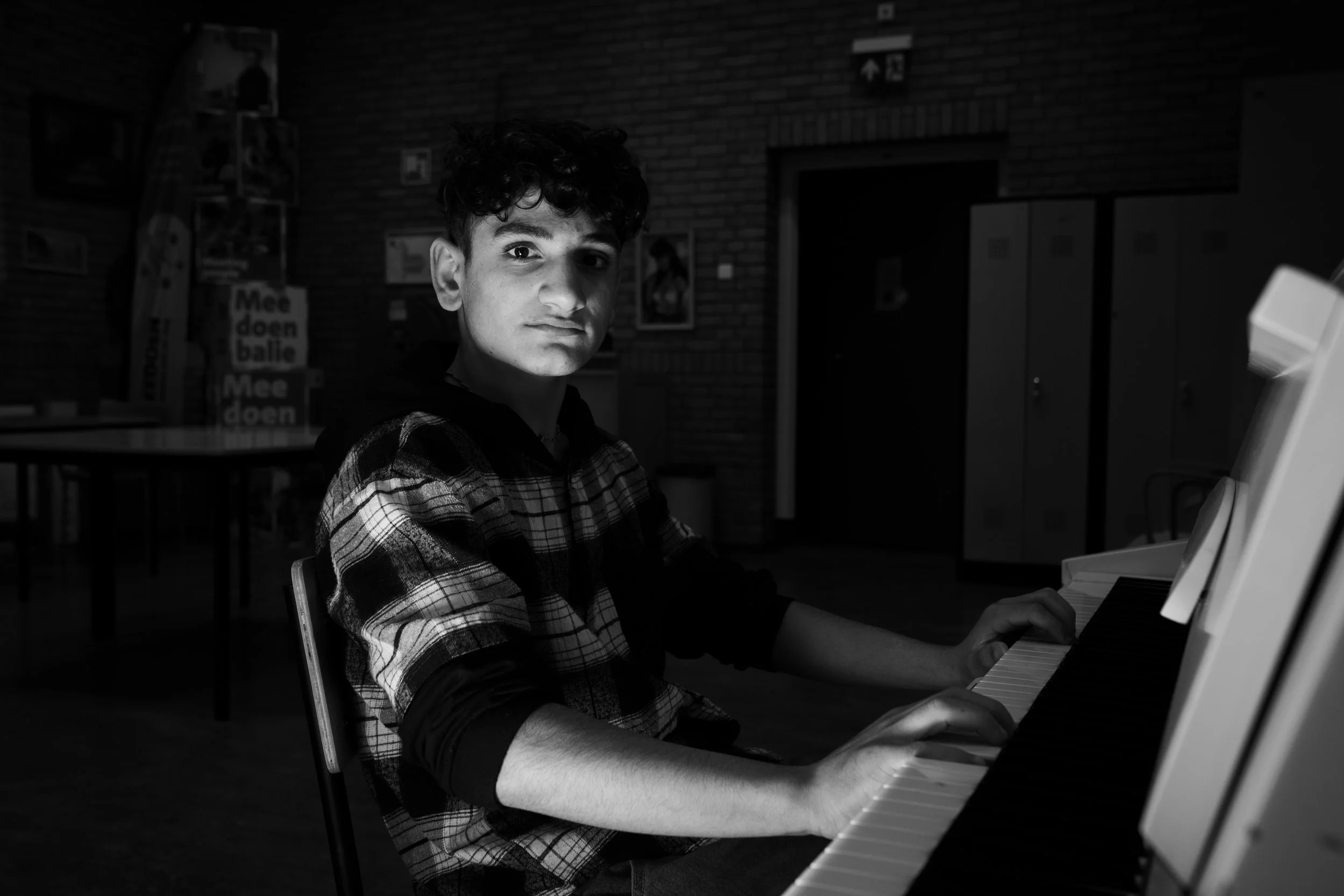
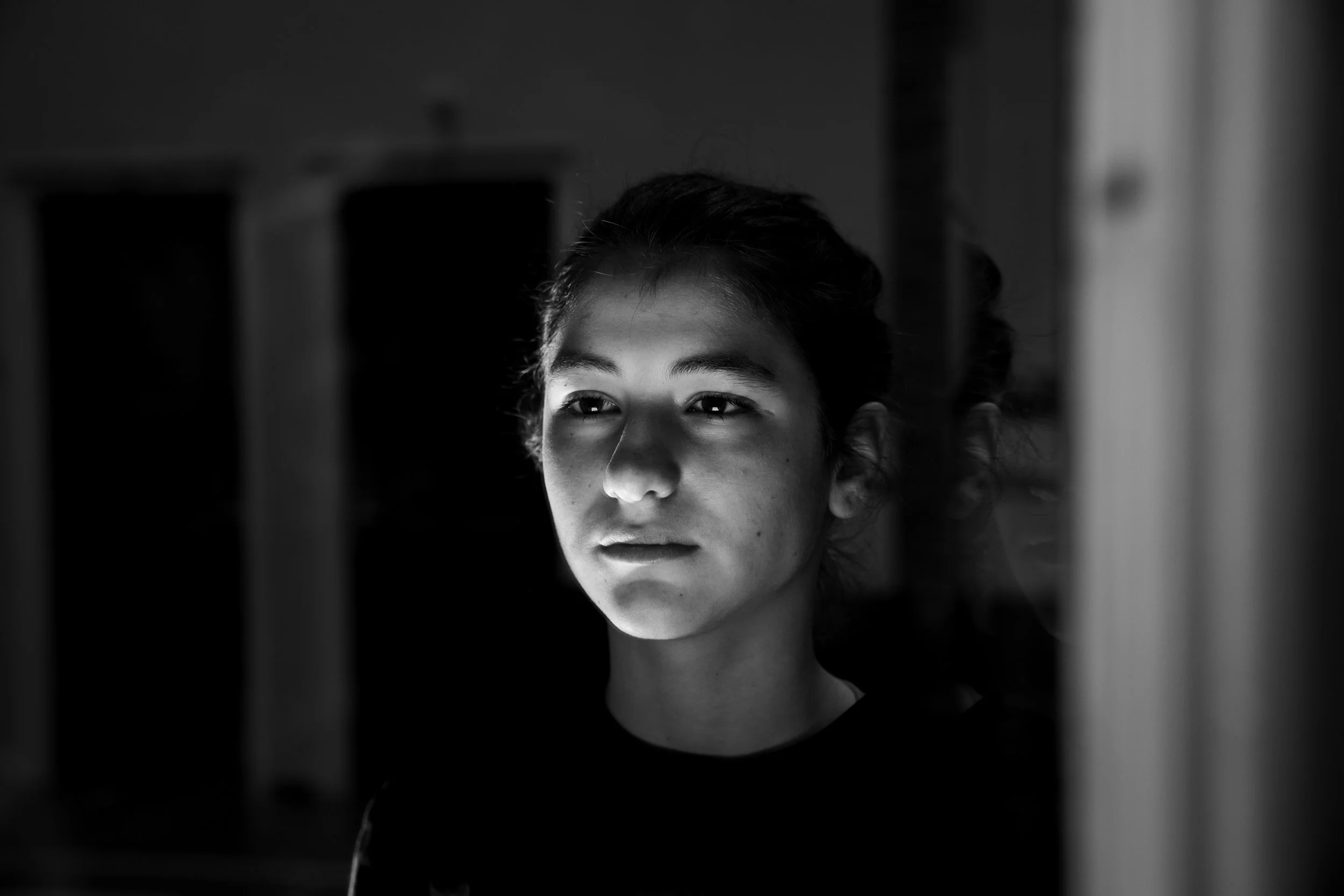
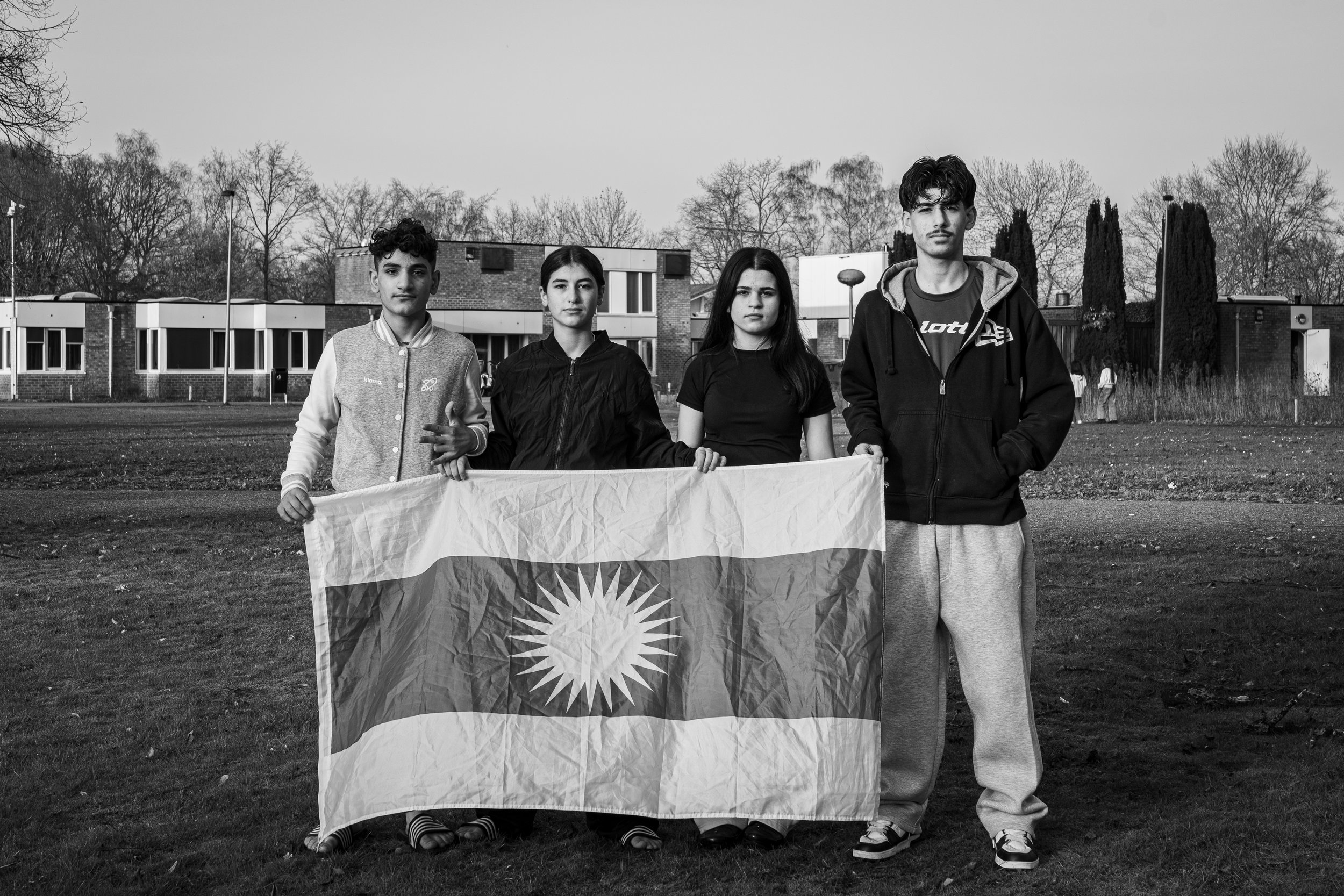
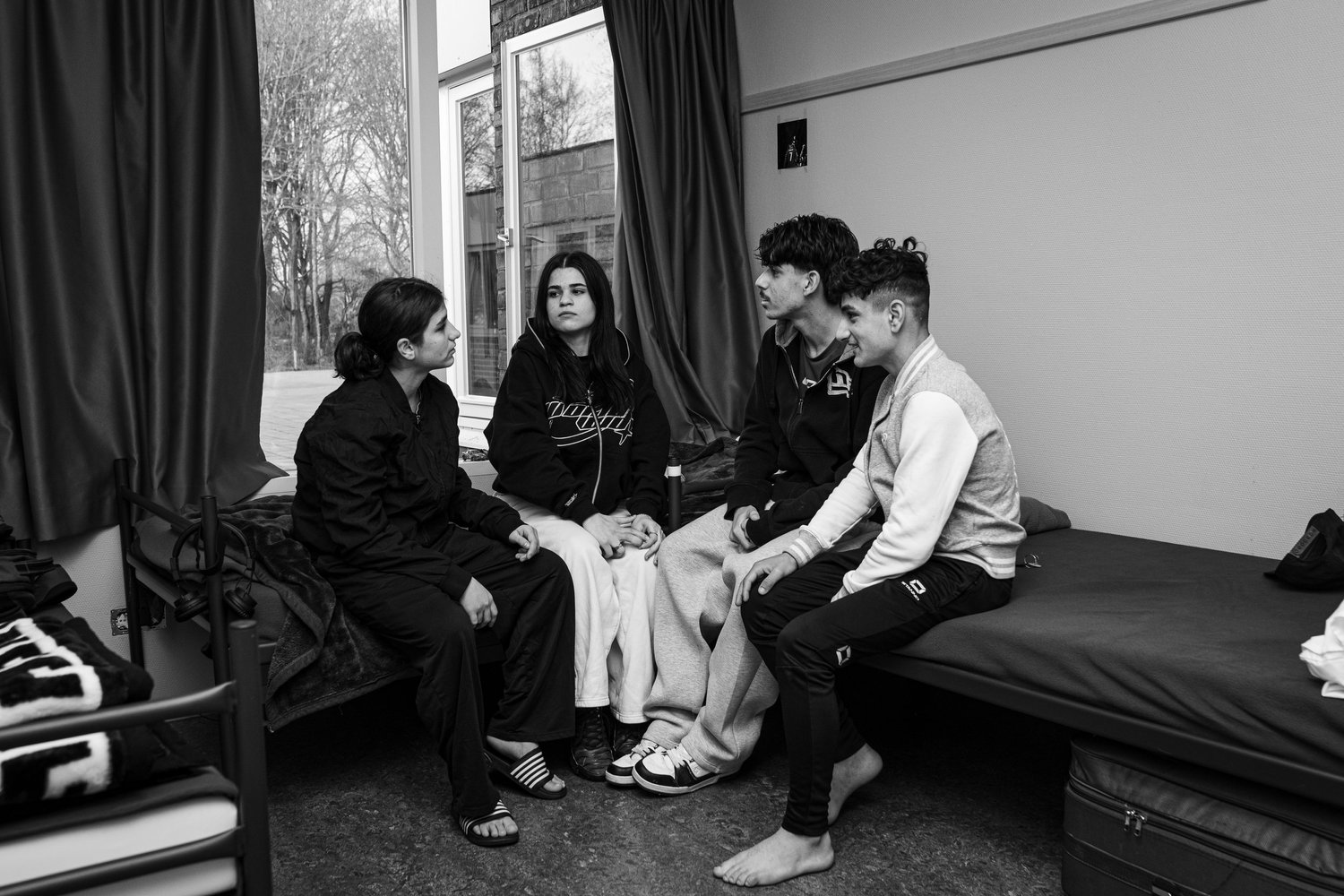
Four young people — Suzan, Dunya, Raj, and Farhat — live in the AZC in Apeldoorn and share a Yezidi background, each with their own experiences, memories, and dreams. Through this exhibition, their personal stories and perspectives take centre stage.
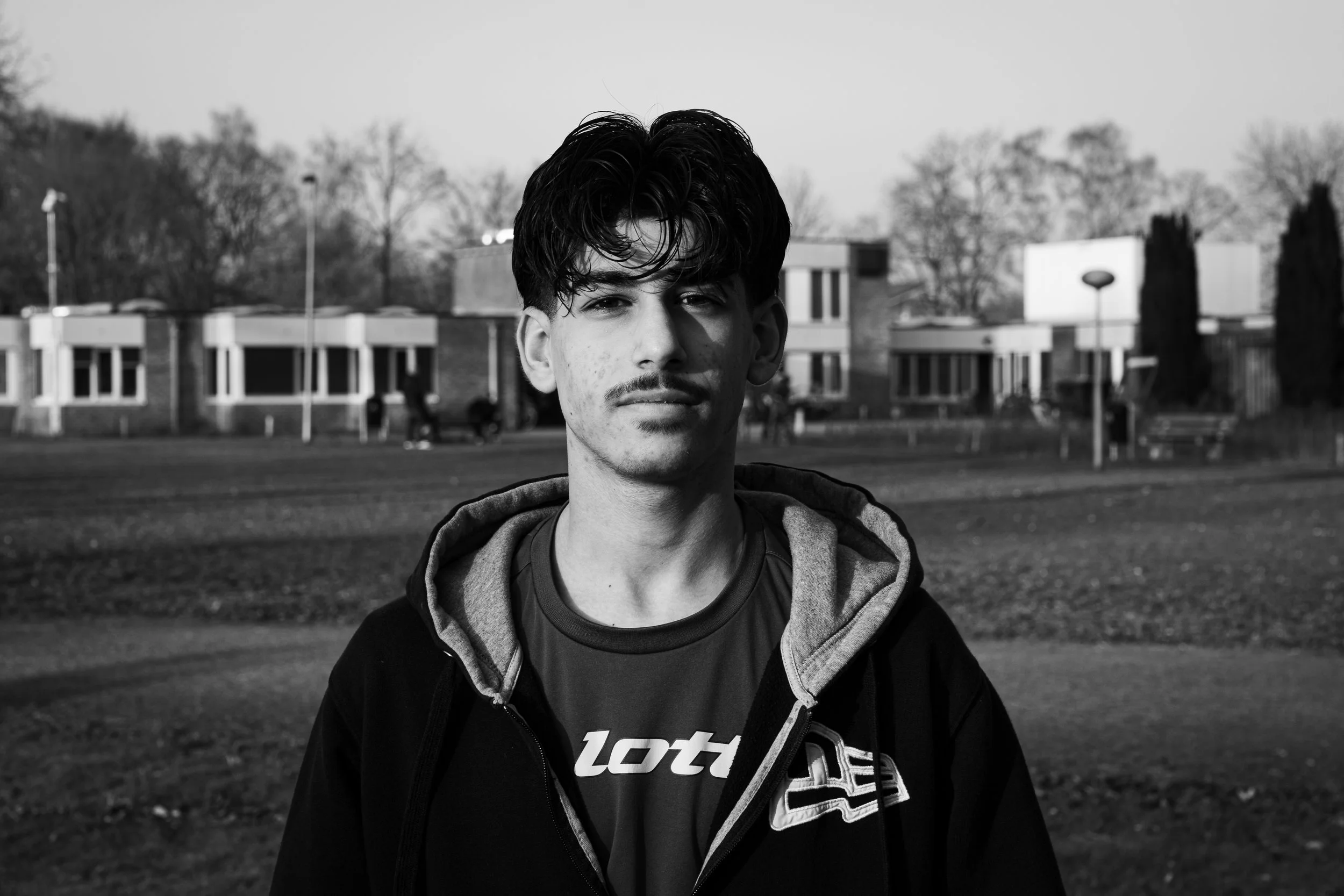
“For me, being Yezidi means that I have a strong connection to my culture, my family, and my history. It gives me a sense of identity and pride.”
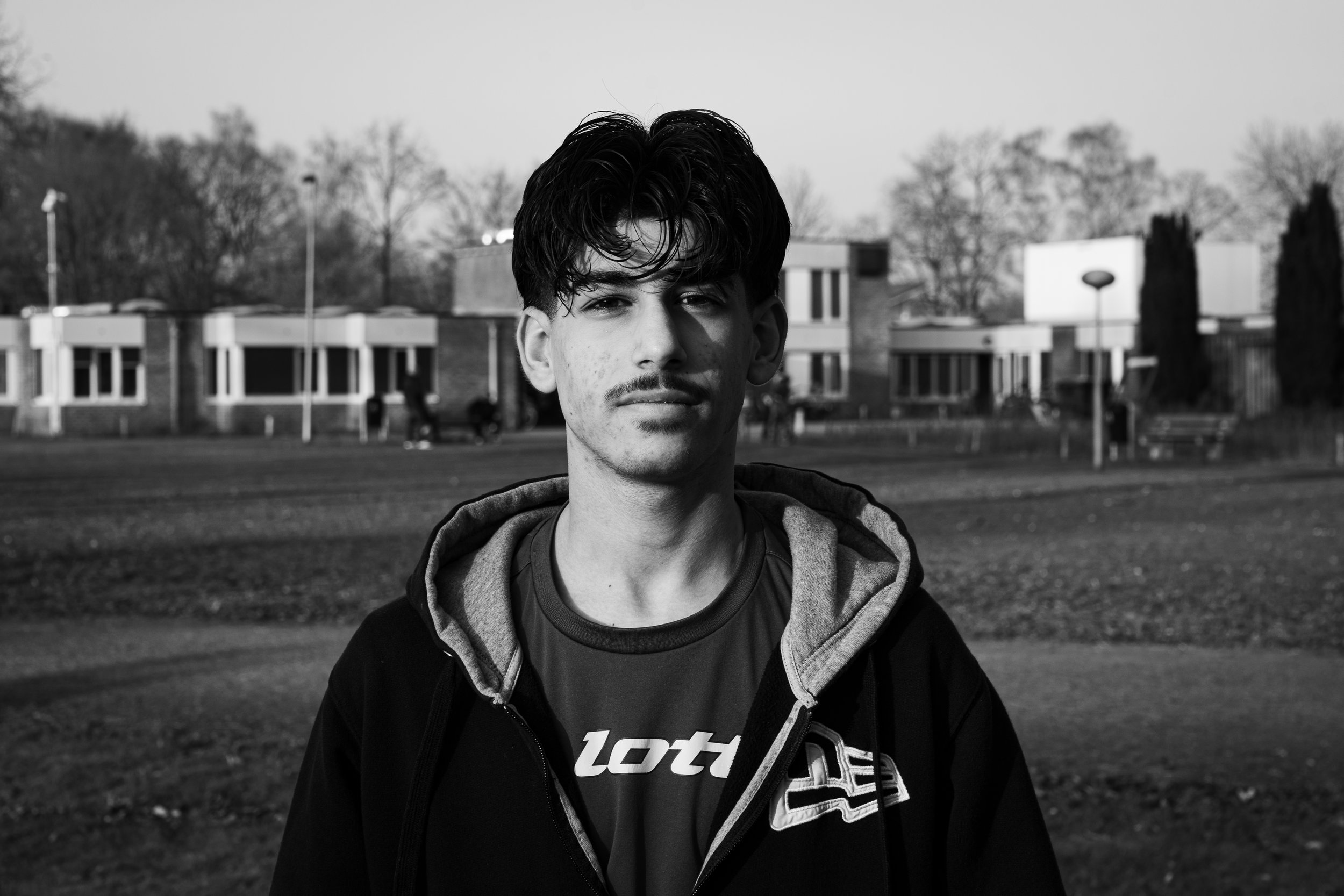
Raj is a young boy who immediately stands out. Always active, full of energy, but at the same time sharp, eager to learn, and someone who is always ready to help others. On the pitch you see his drive, but in conversation you also notice his curiosity and his strong sense of identity.
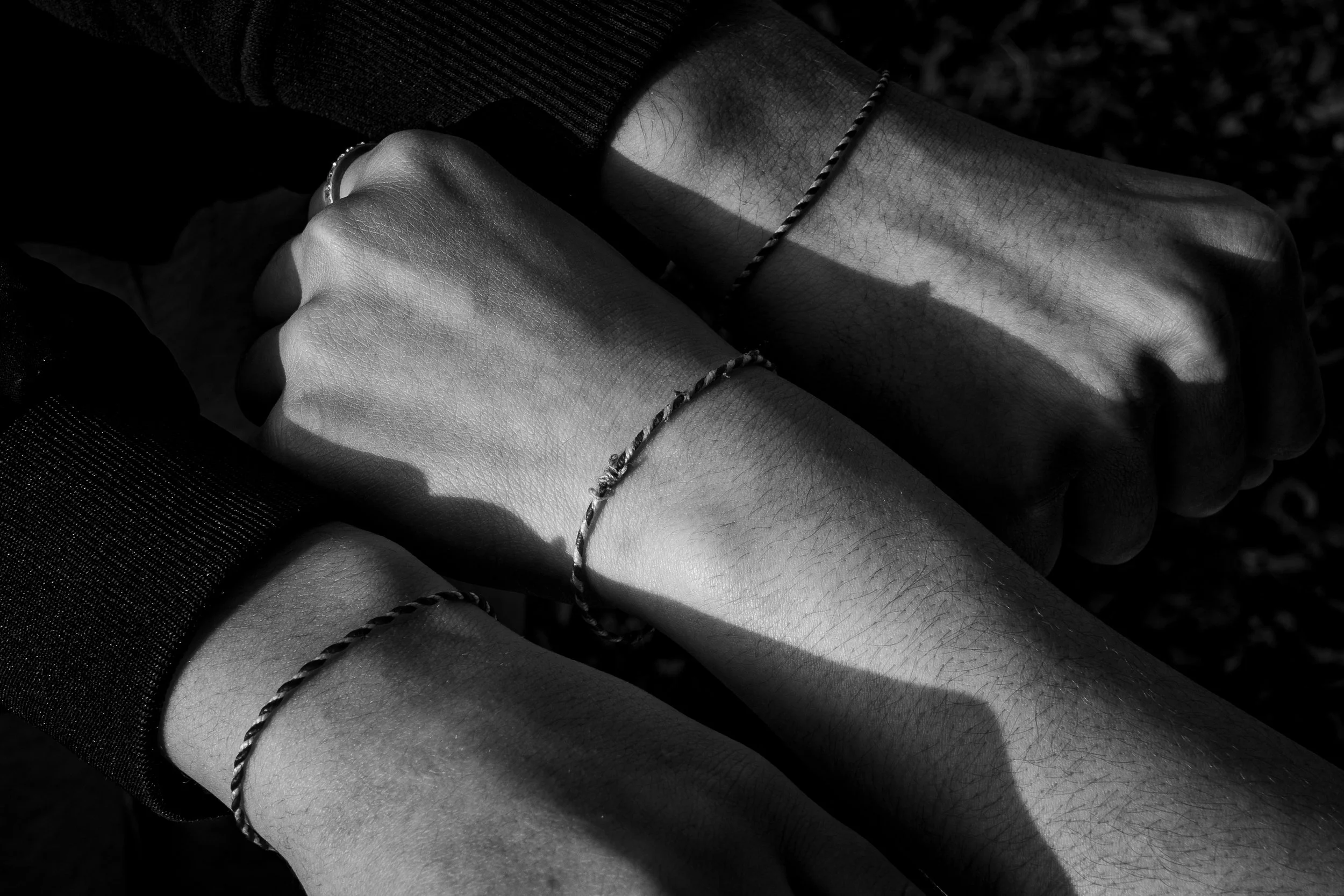
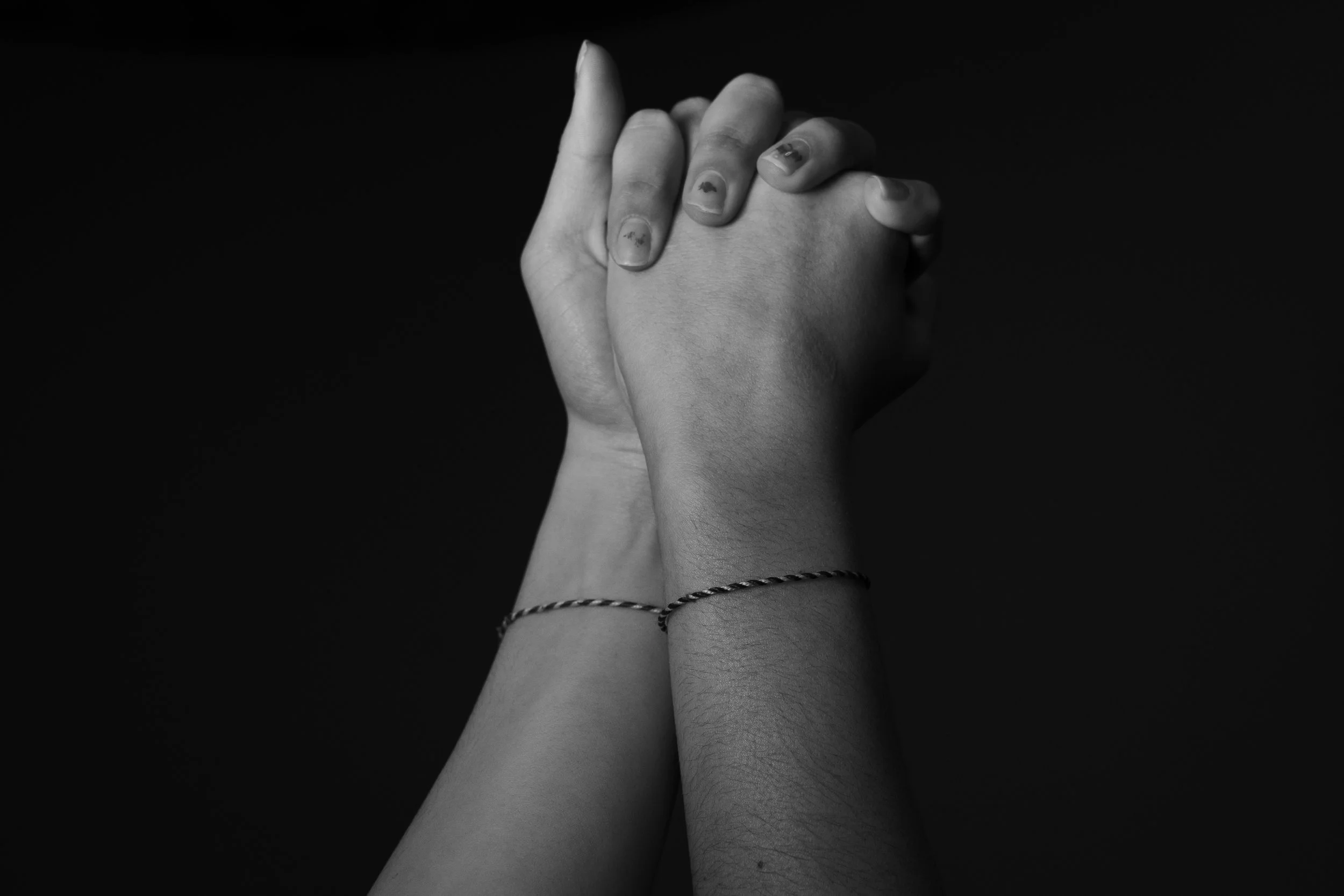
Traditions play an important role in his life. Raj told us about Batezmie, a tradition where bracelets are made as a symbol of connection. For him, that moment represents respect for his culture. He also spoke about Gmaee in Lalish, a seven-day period when the community comes together to celebrate traditions and faith.
“My journey and my life here have made me stronger as a person. I have learned that perseverance and resilience are essential.”
“My dream is to develop myself into a player who is recognized and respected worldwide. I want to show that my Yezidi culture is an important part of my identity, and that with ambition, hard work, and pride in your background you can achieve your dreams.”
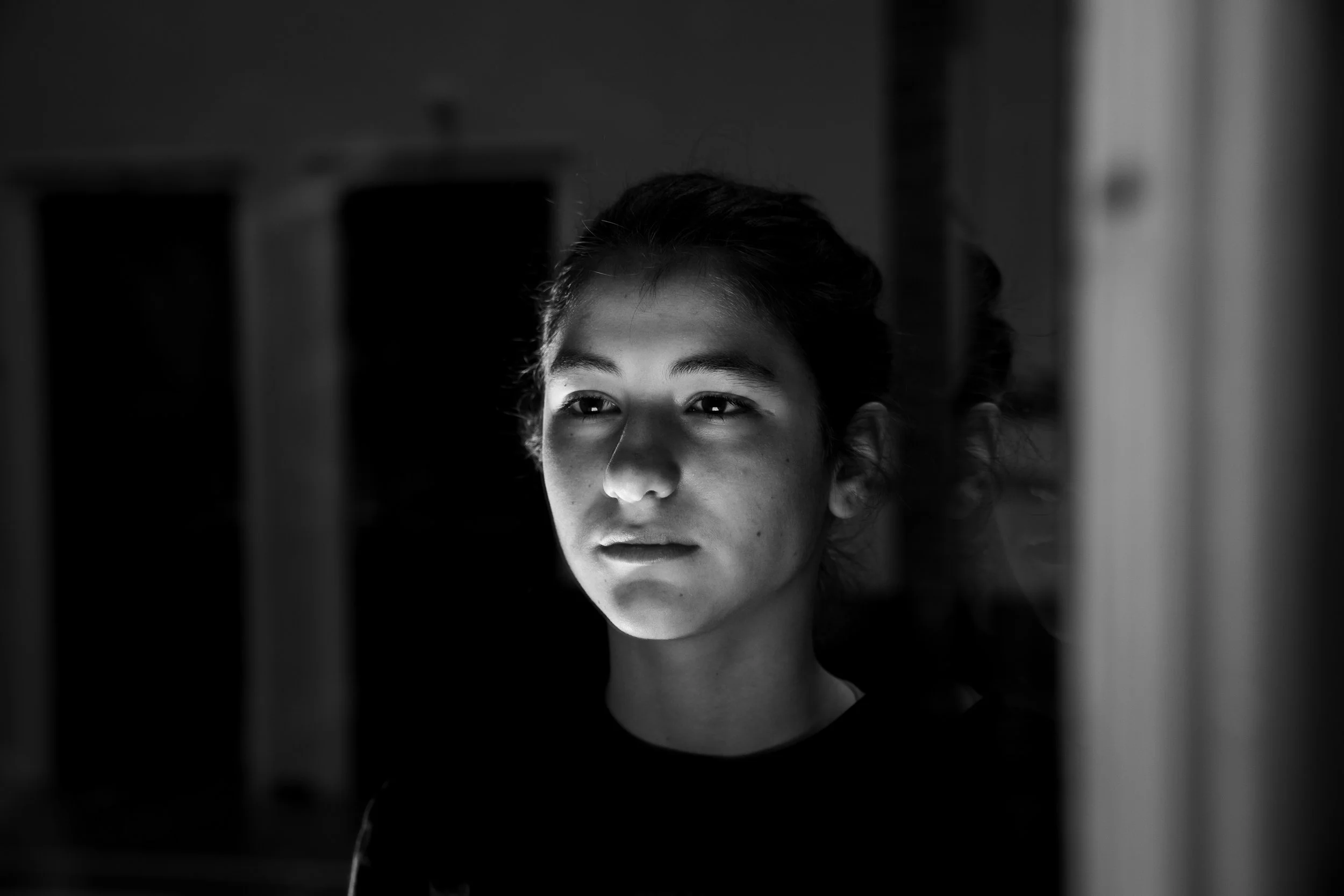
“For me, being Yezidi means that I am connected to my faith, my history, and my community. It gives me a strong identity and a sense of pride.”
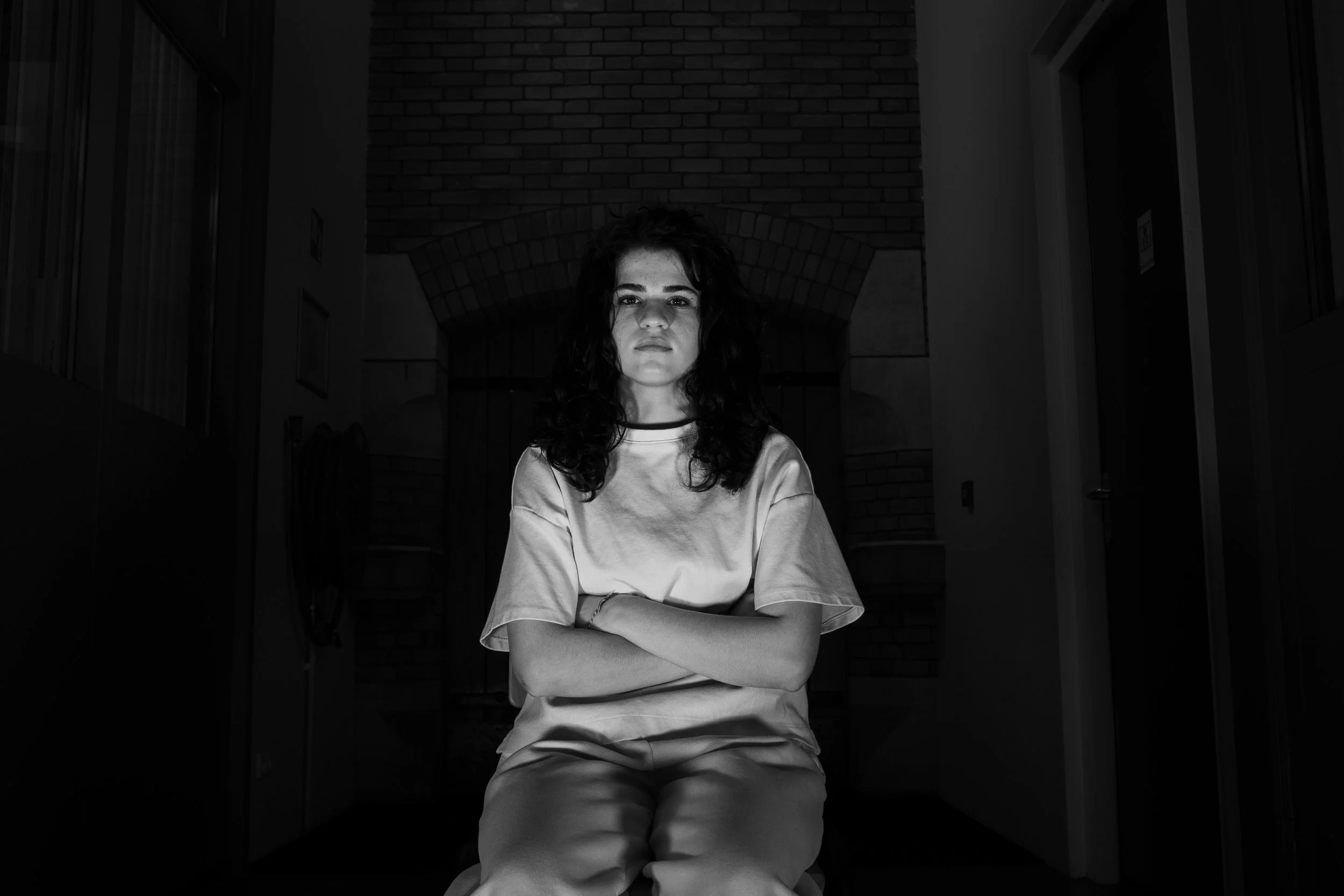
Suzan is someone who radiates calmness and strength. Gentle in her presence, yet powerful in her words. She listens carefully, reflects deeply, and knows exactly what matters to her.
“Important values from my culture are respect for family, solidarity with the community, and preserving our traditions.”
“I have learned that I am stronger than I thought and that I can adapt to new situations and cultures. I have discovered how important my own background and culture are to me, because they form a big part of my identity.”
In Suzan, we see exactly what Nowruz stands for: connection, identity, and the strength to tell your own story with pride — moving toward a new day.
“I hope I can follow my dreams, build a good future, and be something positive for others. I also want people to better understand that my culture is rich in history, traditions, and values, and that respect and understanding between different cultures are very important.”
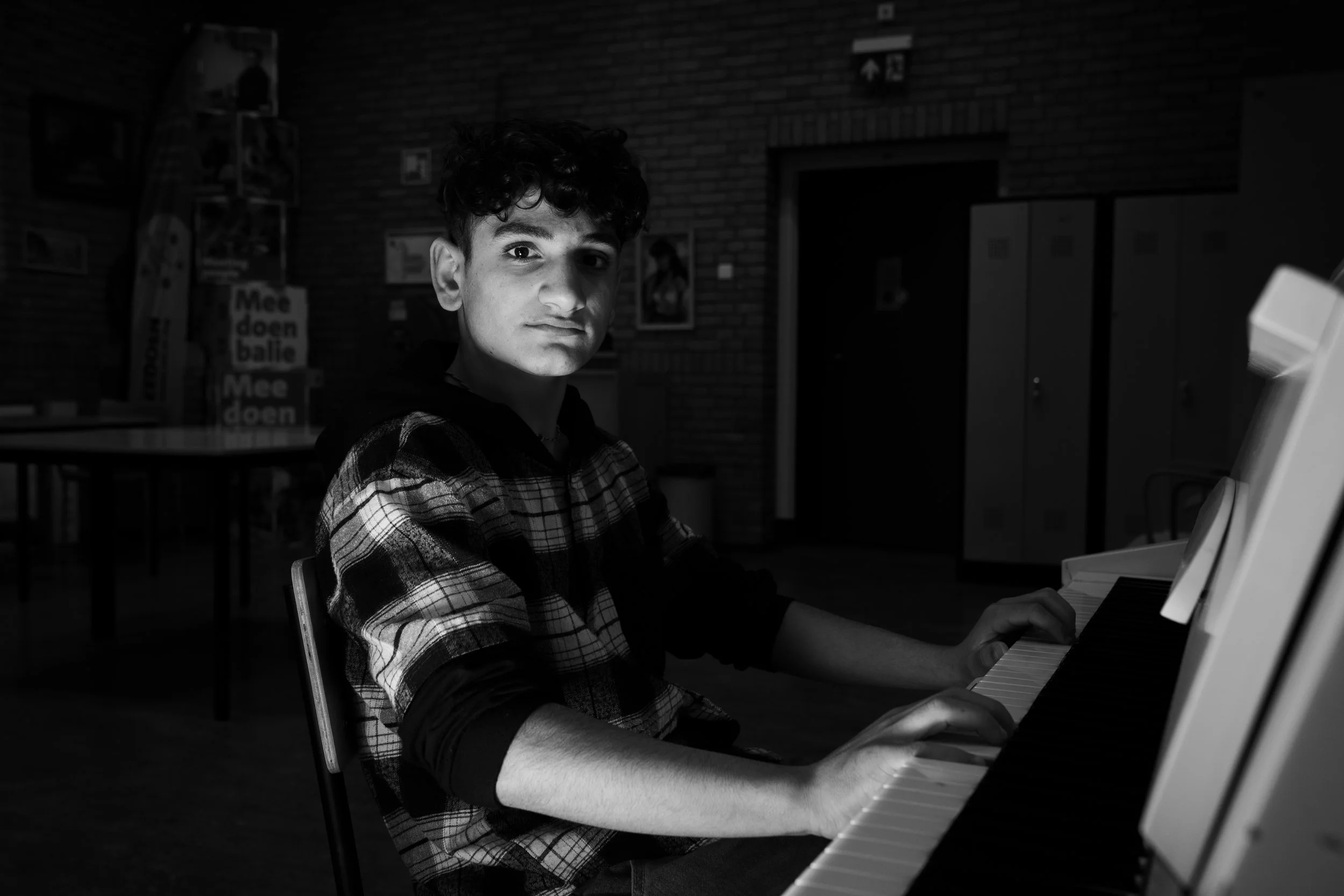
“Being Yezidi means to me that I am part of a special tradition and that my faith gives me strength and guidance. I am proud of who I am and of everything my culture teaches me: respect for family, compassion, and connection to the community.”
Farhat is someone who immediately stands out because of his energy and positive mindset. Always active, focused, and motivated, but also someone who reflects on who he is and where he comes from.
Traditions play an important role for Farhat. He spoke about celebrating Çarşema Sor, the Yezidi New Year, and about passing on stories and values to the next generation.
“My life and journey here have made me stronger and more resilient. I have learned that you can always find a new path, no matter what you have been through.”
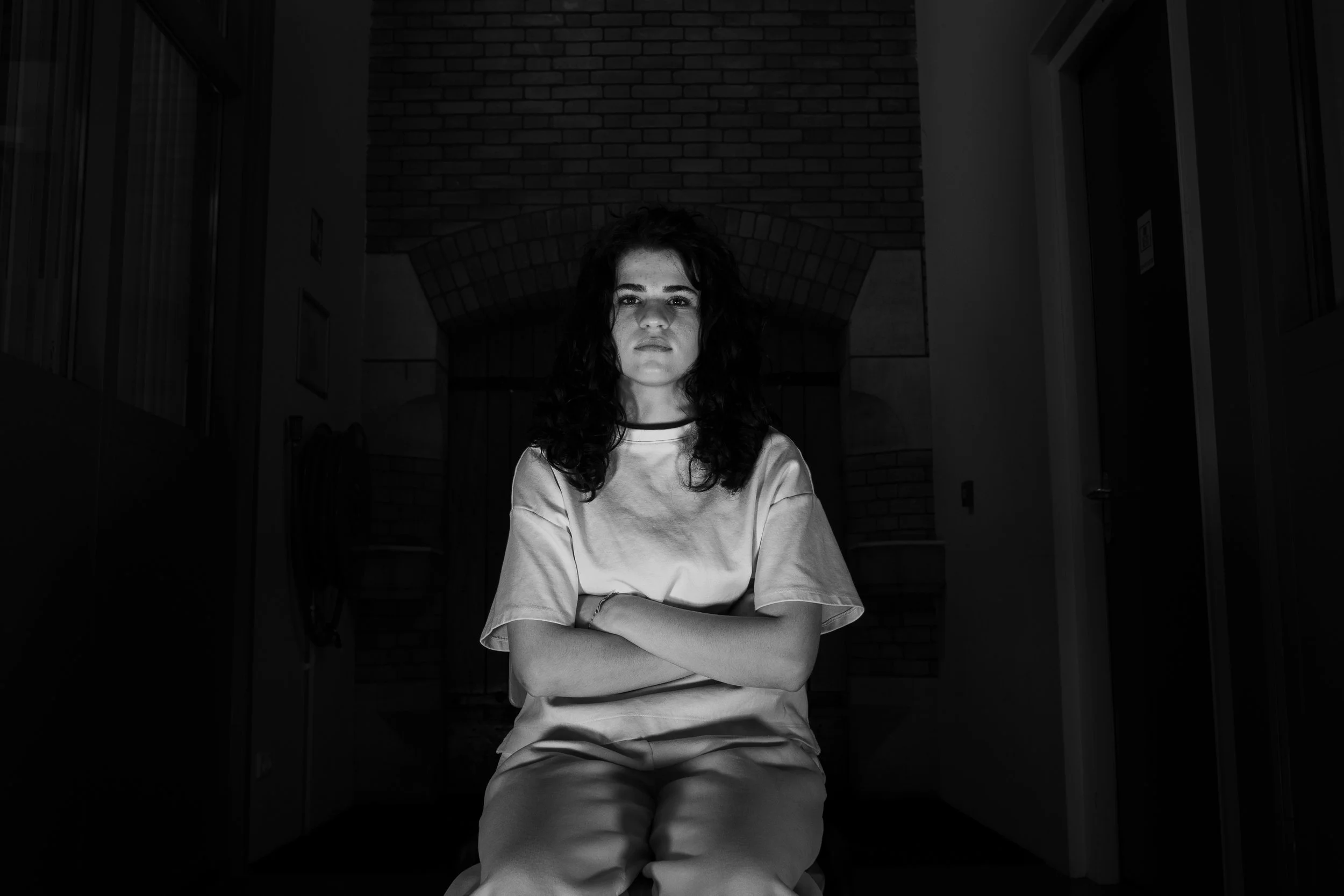
“For me, being Yezidi means that I carry an ancient history and culture with me, full of faith and perseverance. It is not only a religion, but also an identity and a feeling of connection.”
Dunya is calm, but powerful in what she says. She chooses her words carefully, and when she speaks, you feel that everything comes from somewhere deep.
For Dunya, it is more than just religion. She spoke about what she wants to preserve: respect for family, traditions, and love between people. “The stories of our ancestors and our religious festivals are very important to me, because they remind me of my roots.”
“I have discovered that I am stronger than I thought and that a person can start again, even after difficult experiences.”
Within Nowruz, we often see this: young people who carry their story, but also rebuild themselves. As Dunya says, she has learned to adapt and to appreciate the small things in life — step by step, without losing her foundation.
“I hope to build a stable life and achieve my goals in my studies and work. I want people to understand that Yezidis are a people who love peace and life.”
Four voices.
One truth.
Four young people from the AZC in Apeldoorn, sharing their stories of identity, culture, and resilience.