Yezidi Project — SC Nowruz

Stichting Nowruz · Apeldoorn · Photo & story exhibition

Yezidi.
Their stories.

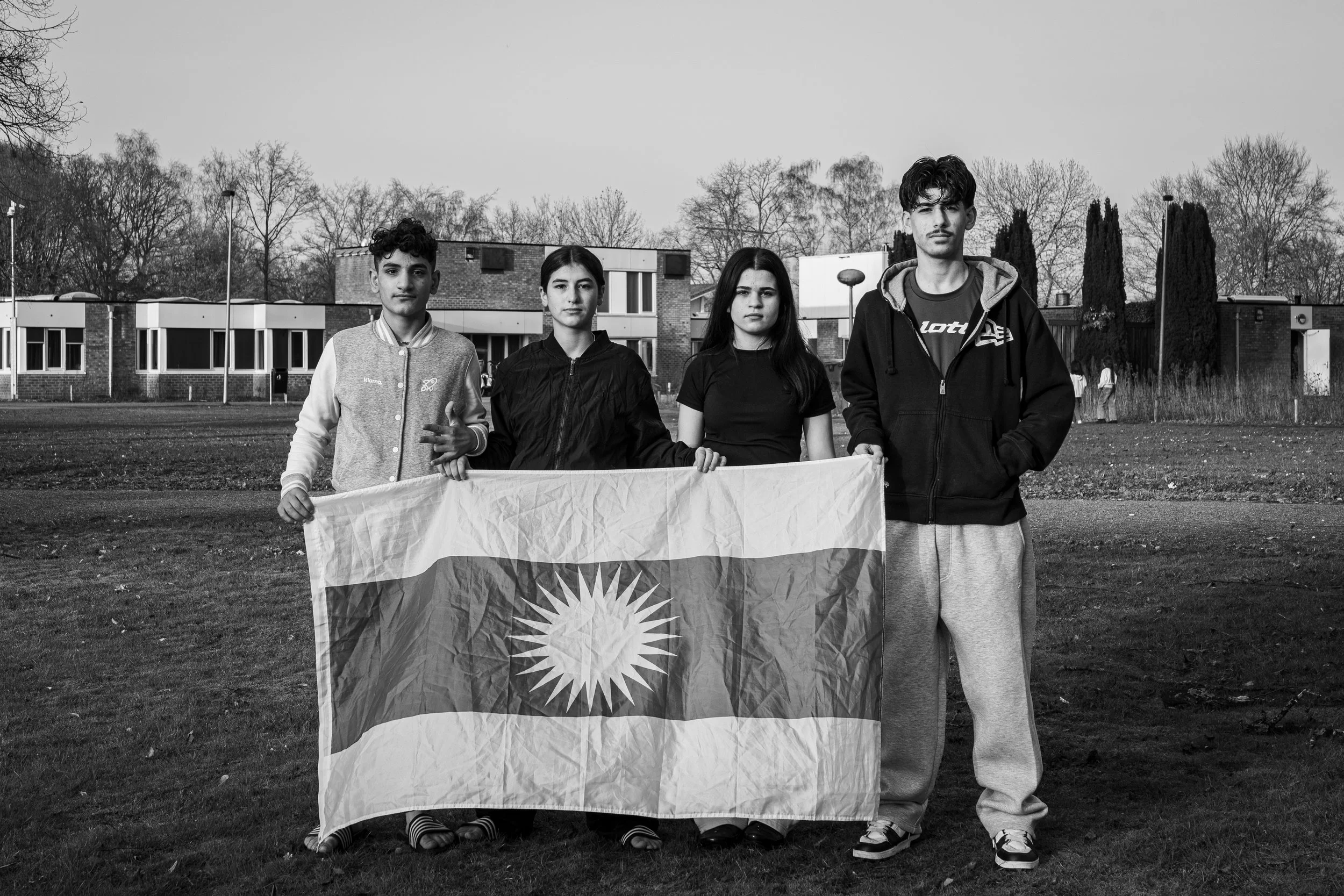
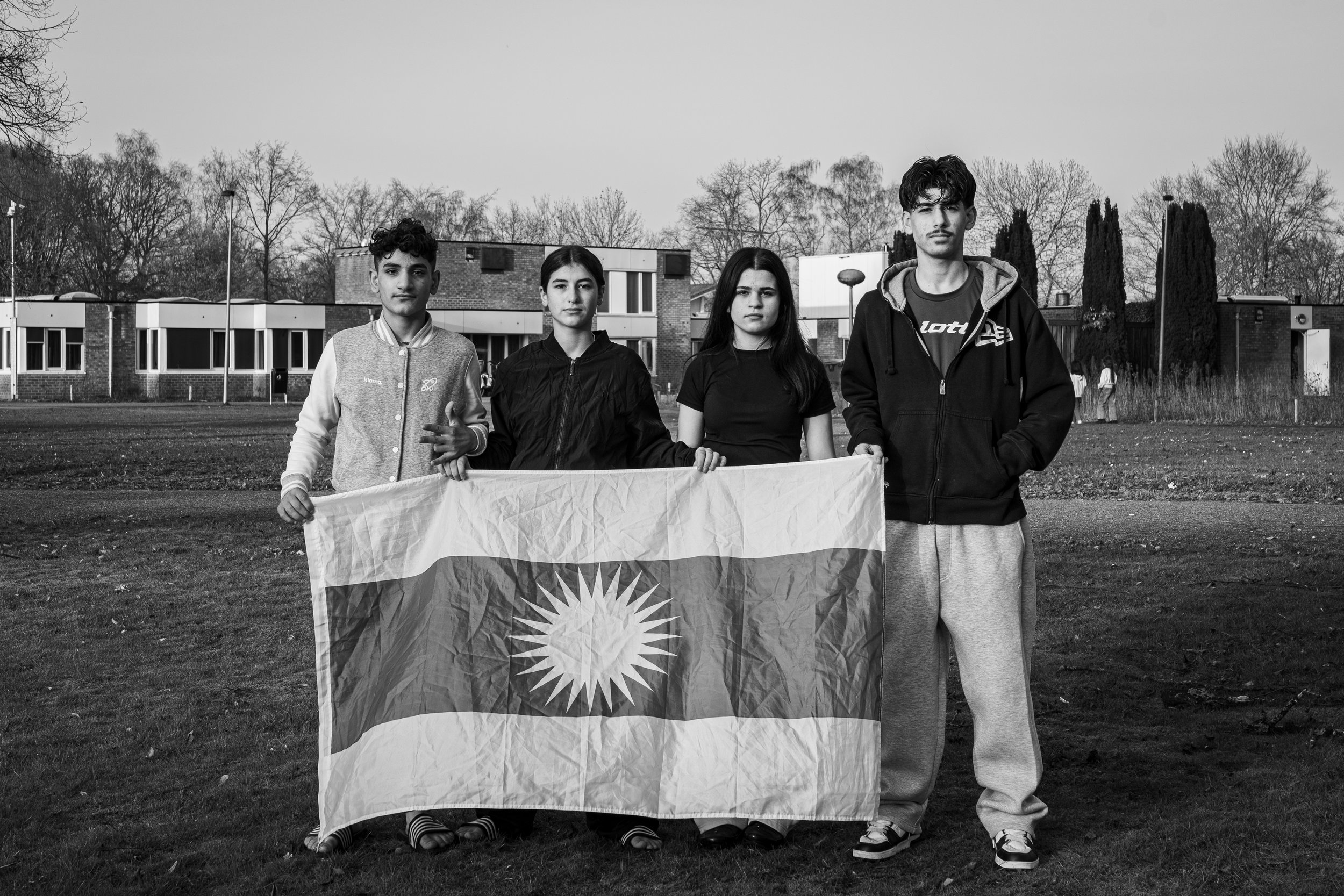
Four young people. One shared background. A photo and story exhibition about identity, culture, and the strength to tell your own story.

4 jonge mensen uit het AZC Apeldoorn — Yezidi achtergrond Raj, Suzan, Farhat & Dunya — foto & verhalen tentoonstelling MDT programma — futsal + creatieve workshops Nowruz — nieuw begin, verbinding, hoop Stichting Nowruz · Apeldoorn · Iraq · Shingal Identiteit · cultuur · kracht om je eigen verhaal te vertellen Yezidi — een oud volk, een levend verhaal In samenwerking met COA · Cultuur Oost · Spectrum 4 jonge mensen uit het AZC Apeldoorn — Yezidi achtergrond Raj, Suzan, Farhat & Dunya — foto & verhalen tentoonstelling MDT programma — futsal + creatieve workshops Nowruz — nieuw begin, verbinding, hoop Stichting Nowruz · Apeldoorn · Iraq · Shingal Identiteit · cultuur · kracht om je eigen verhaal te vertellen Yezidi — een oud volk, een levend verhaal In samenwerking met COA · Cultuur Oost · Spectrum
4
Young people
AZC
Apeldoorn
MDT
Futsal + workshops
Yezidi
Photo & story exhibition
About the project
Nowruz means “new day” and symbolizes a new beginning, connection, and hope — an idea that inspired us to build a community where people can discover their talents and realize their dreams.

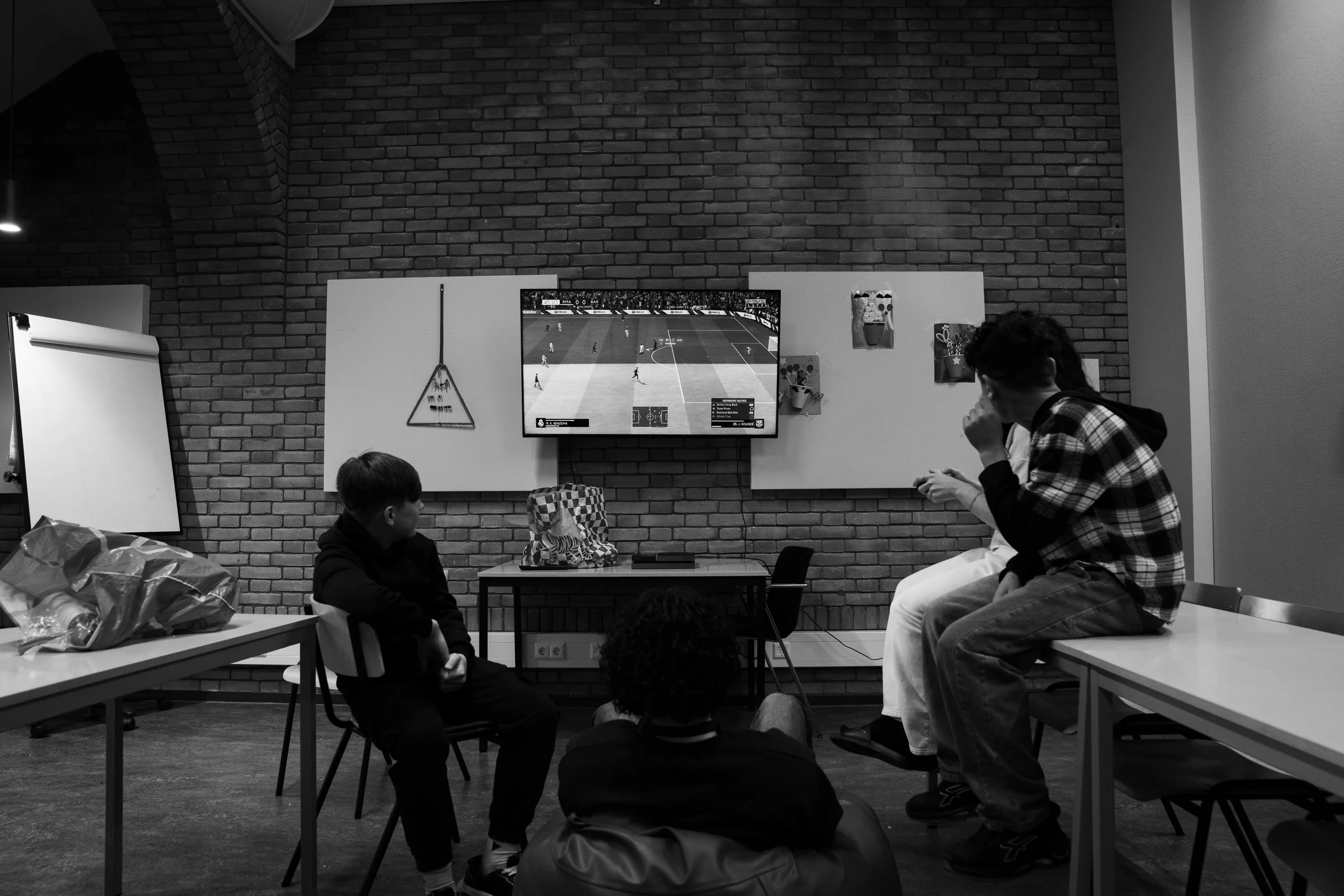
Within this vision, we organized an MDT program for young asylum seekers, combining weekly futsal training sessions with creative workshops to strengthen confidence, teamwork, and self-expression. The project helps make the diversity of stories, perspectives, and talents visible that might otherwise remain unheard.

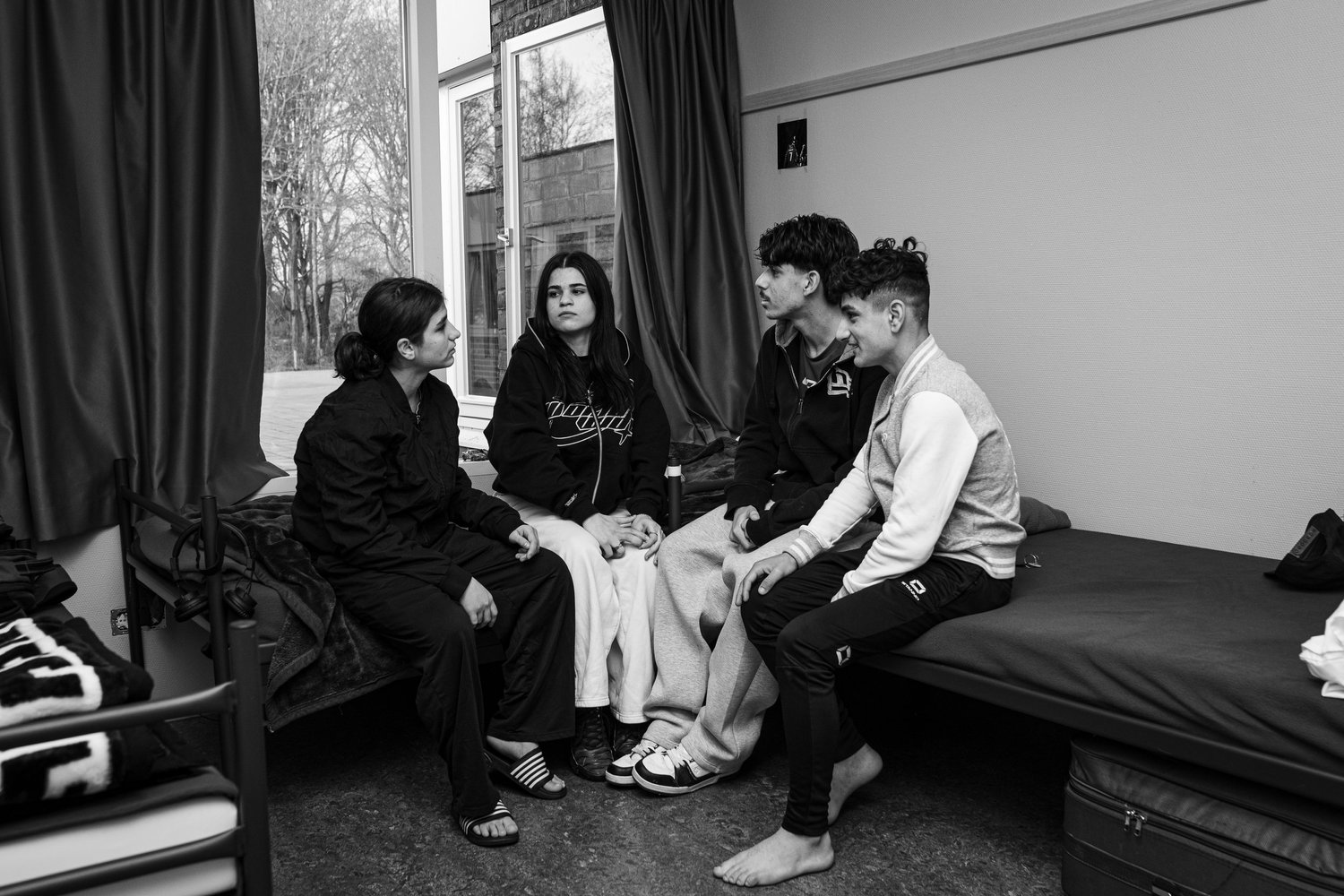
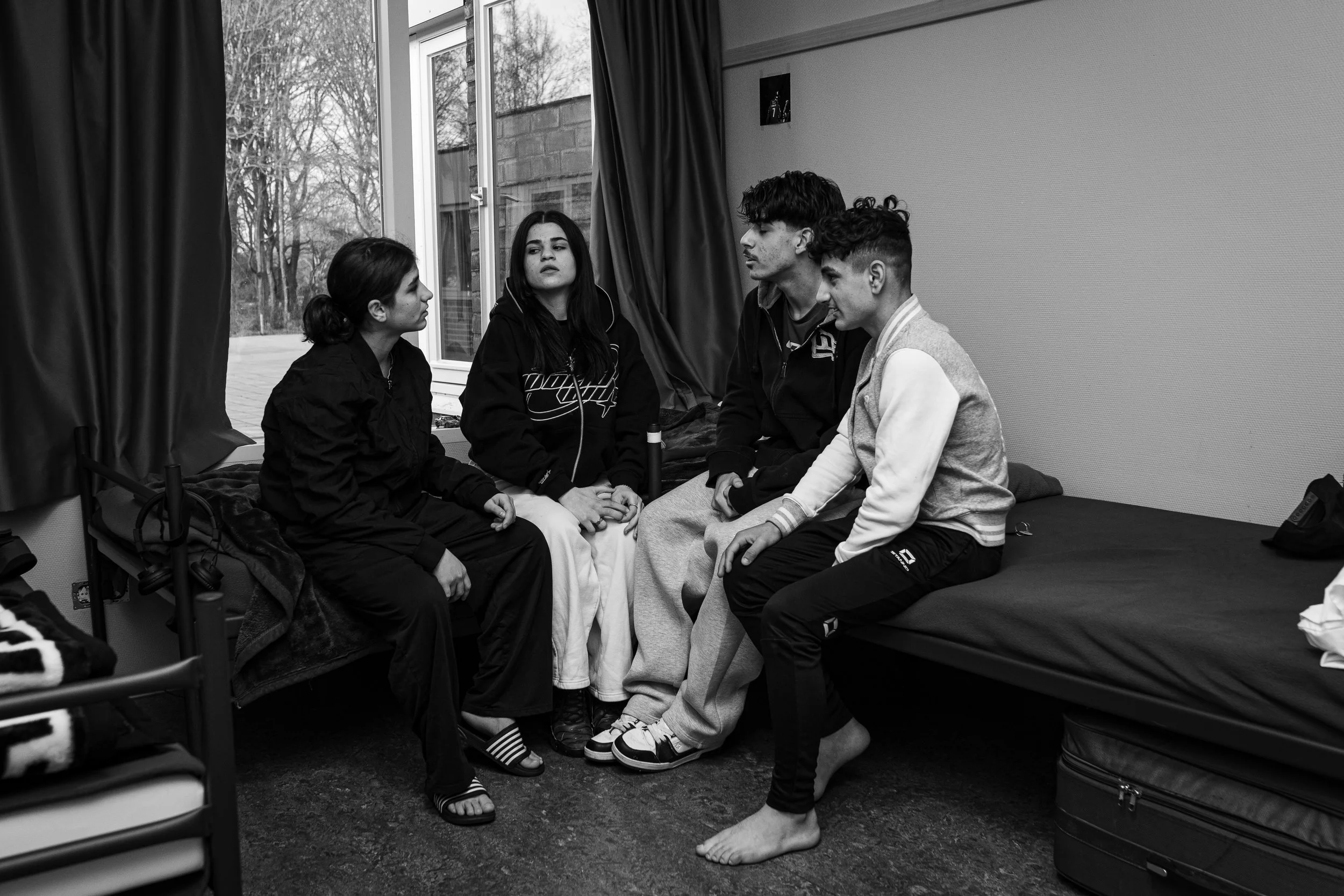
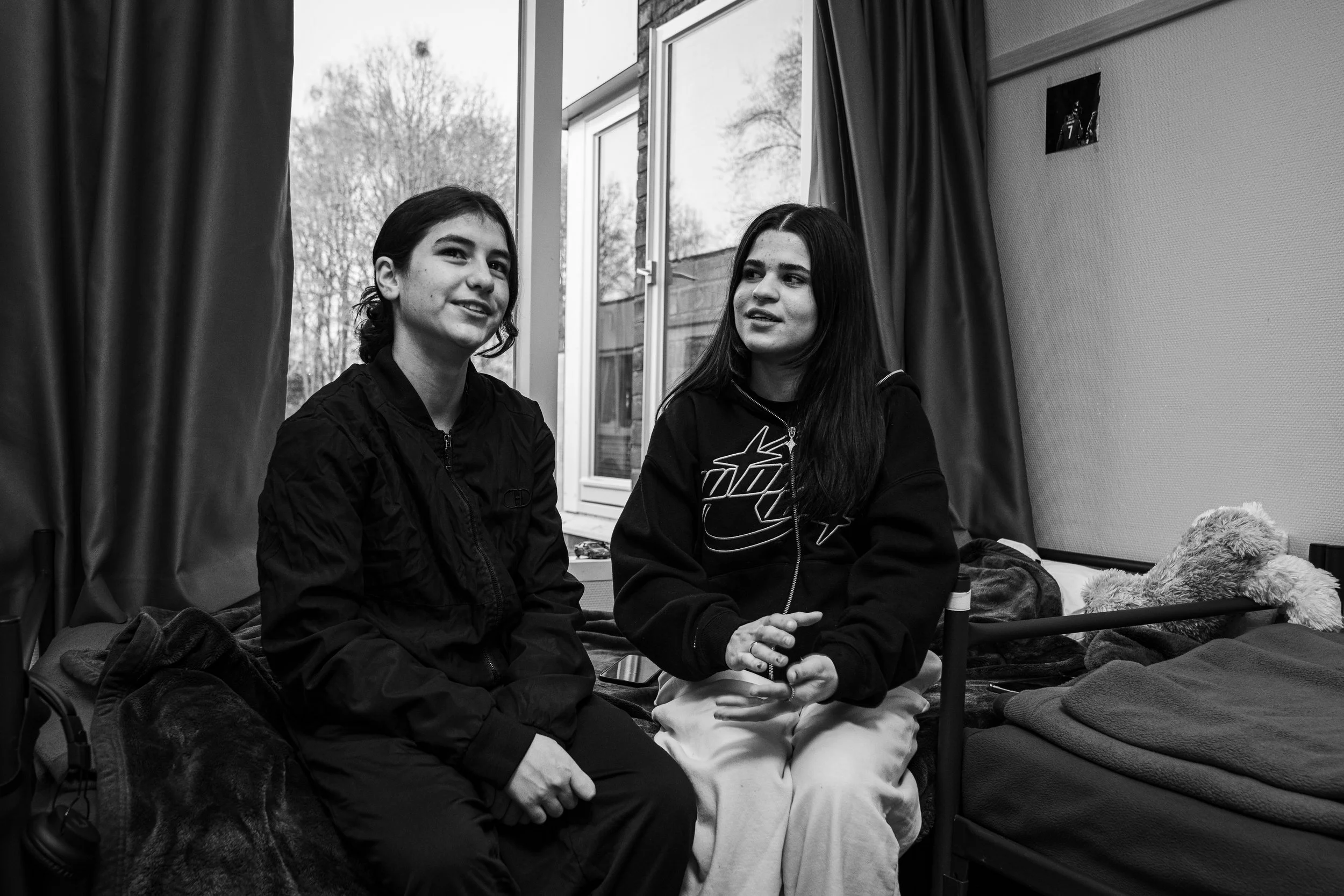
Four young people — Suzan, Dunya, Raj, and Farhat — live in the AZC in Apeldoorn and share a Yezidi background, each with their own experiences, memories, and dreams. Through this, we present the photo and story exhibition “Yezidi,” in which their personal stories and perspectives take center stage.
Yezidi project — MDT Nowruz
MDT Futsal · SC Nowruz · AZC Apeldoorn
01 — Portrait
Raj Khudeeda Ali
14 years · Shingal · Iraq
01
Raj Khudeeda Ali

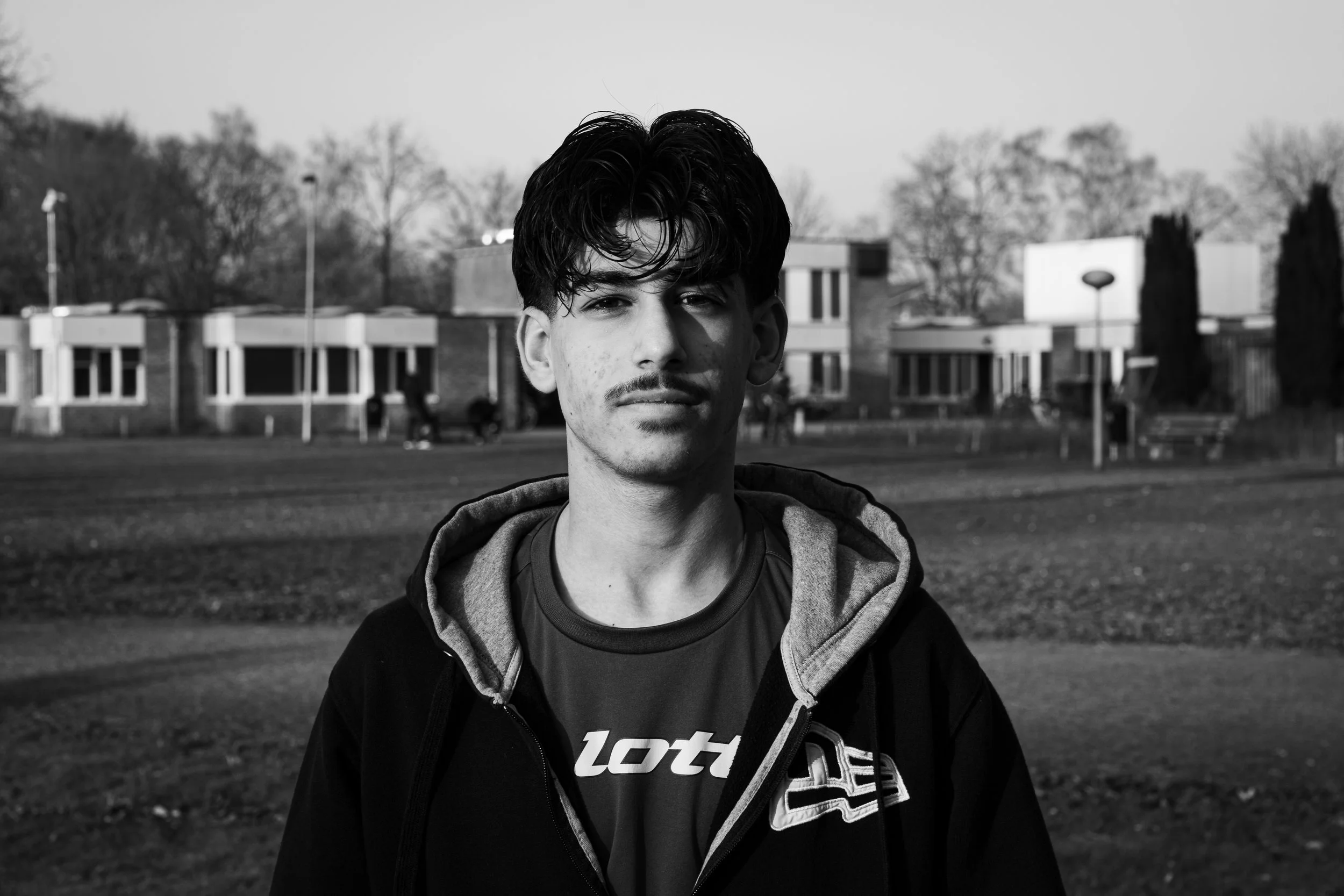
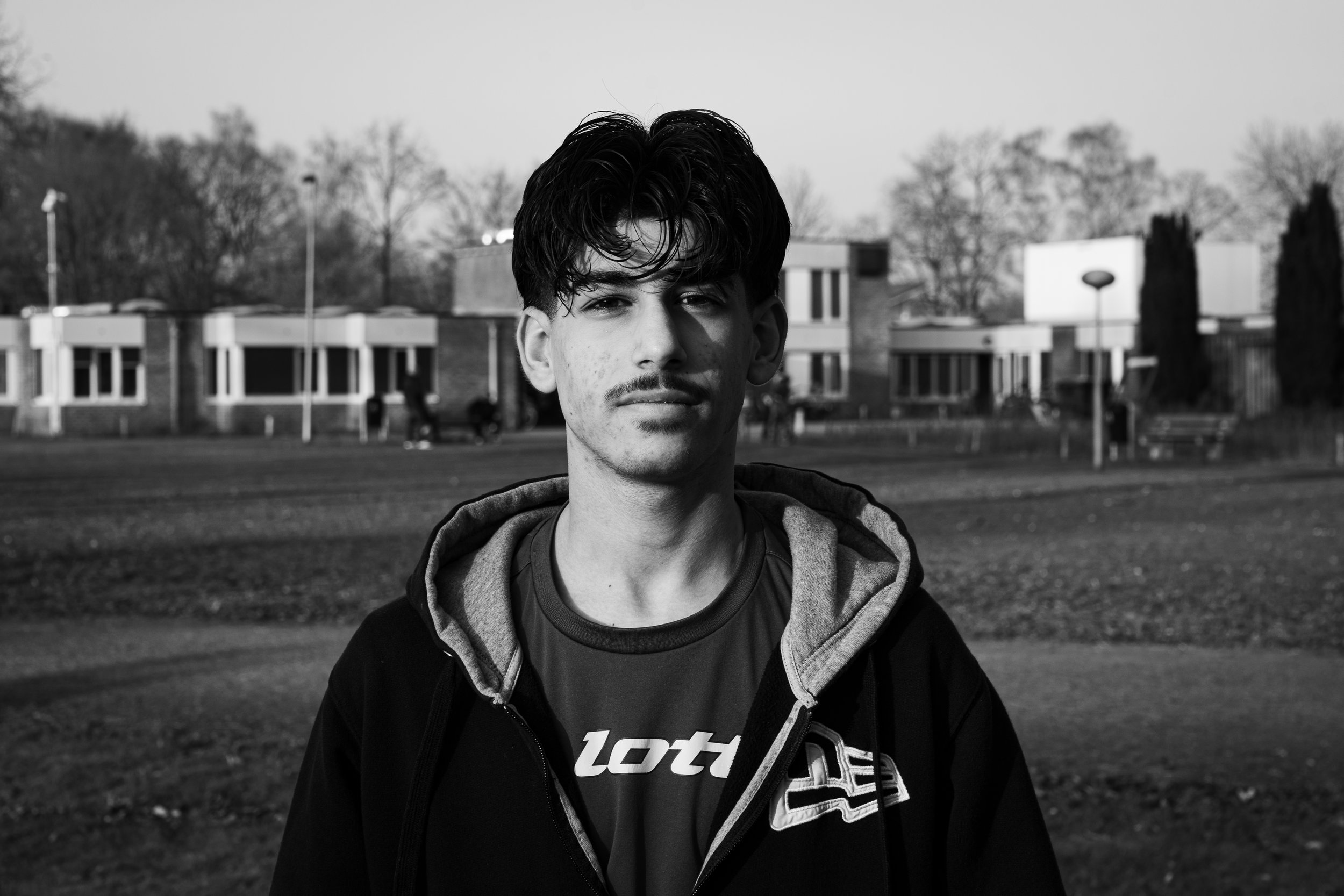
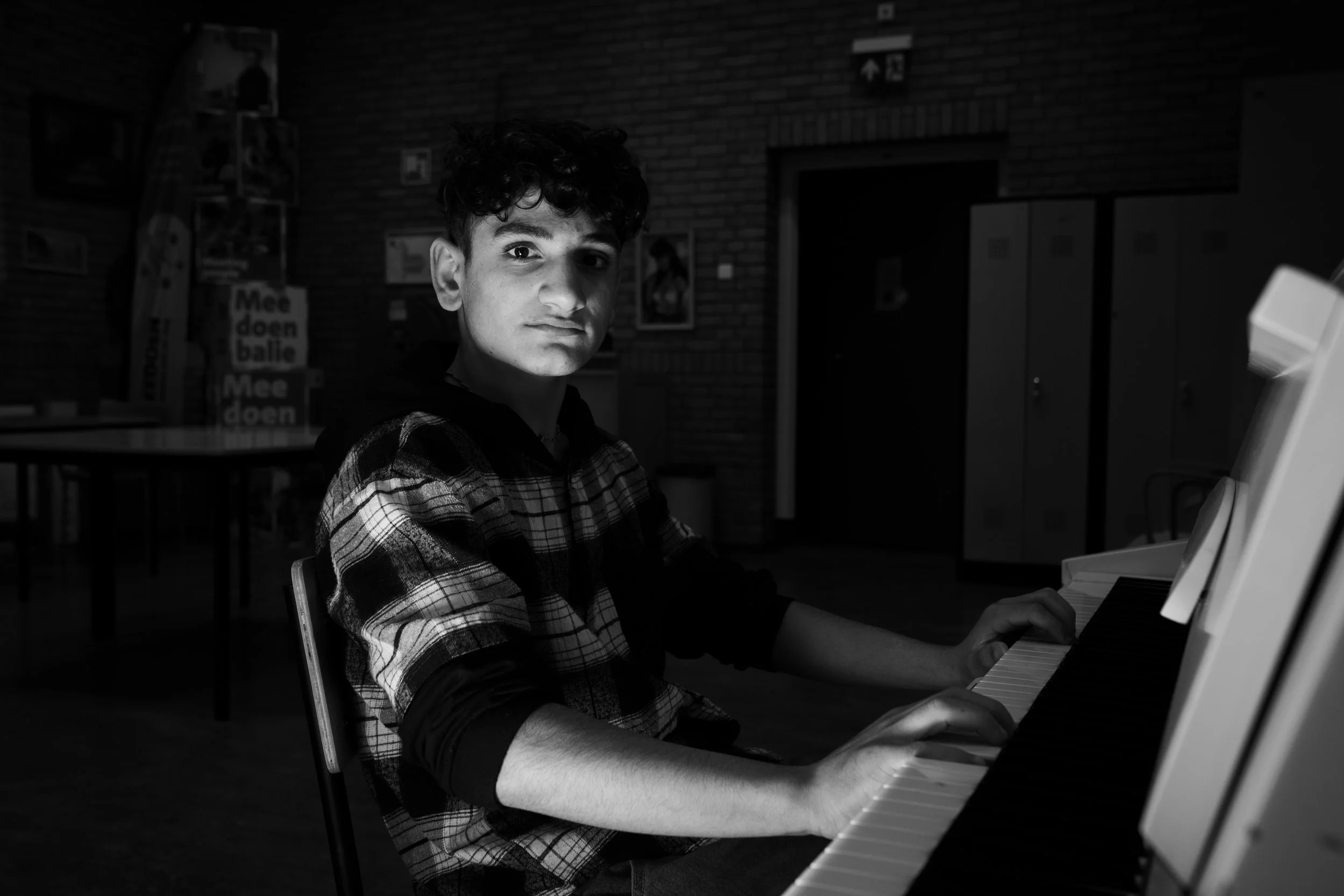
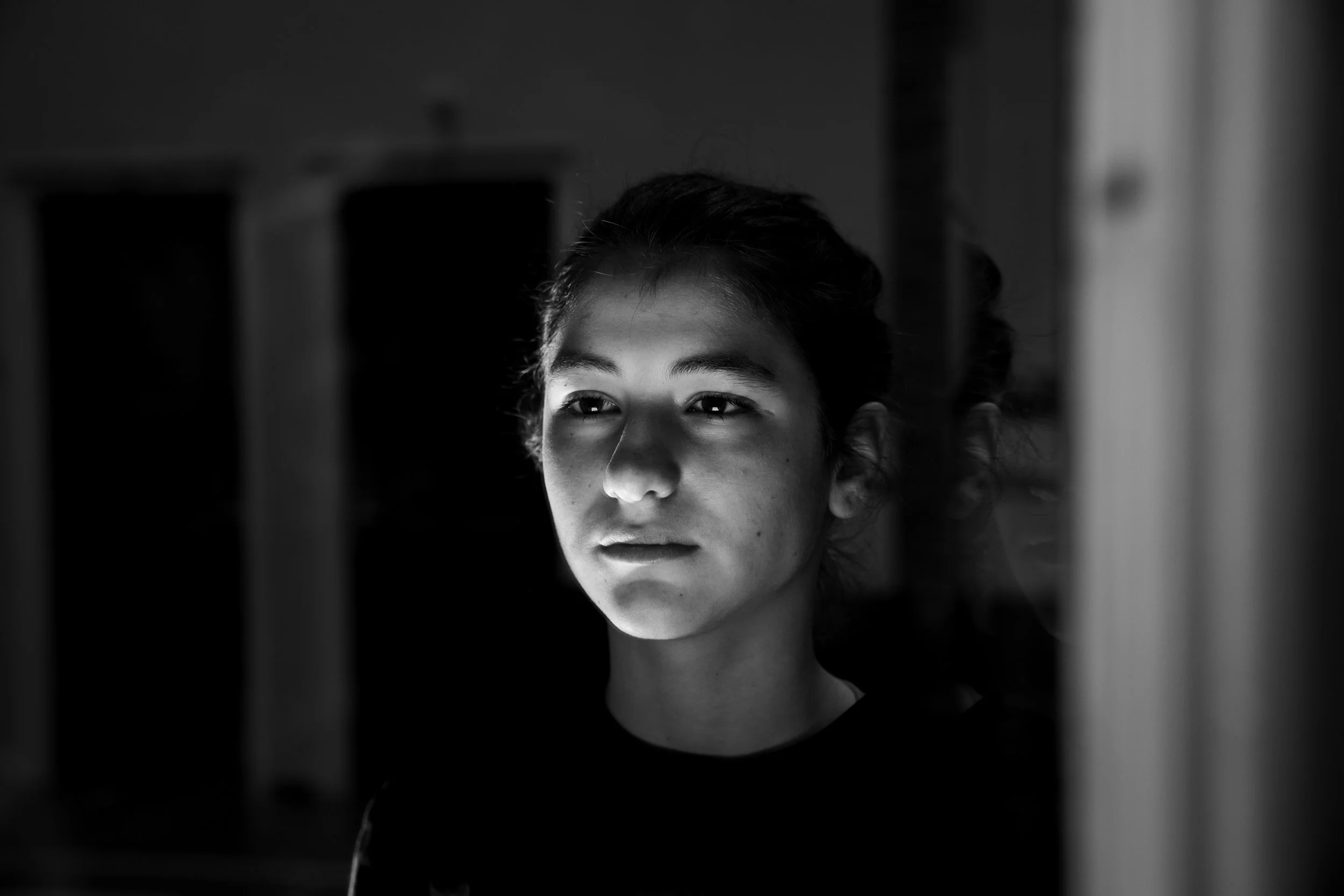
Raj is a young boy who immediately stands out. Always active, full of energy, but at the same time sharp, eager to learn, and someone who is always ready to help others. On the pitch you see his drive, but in conversation you also notice his curiosity and his strong sense of identity.

“For me, being Yezidi means that I have a strong connection to my culture, my family, and my history. It gives me a sense of identity and pride.”

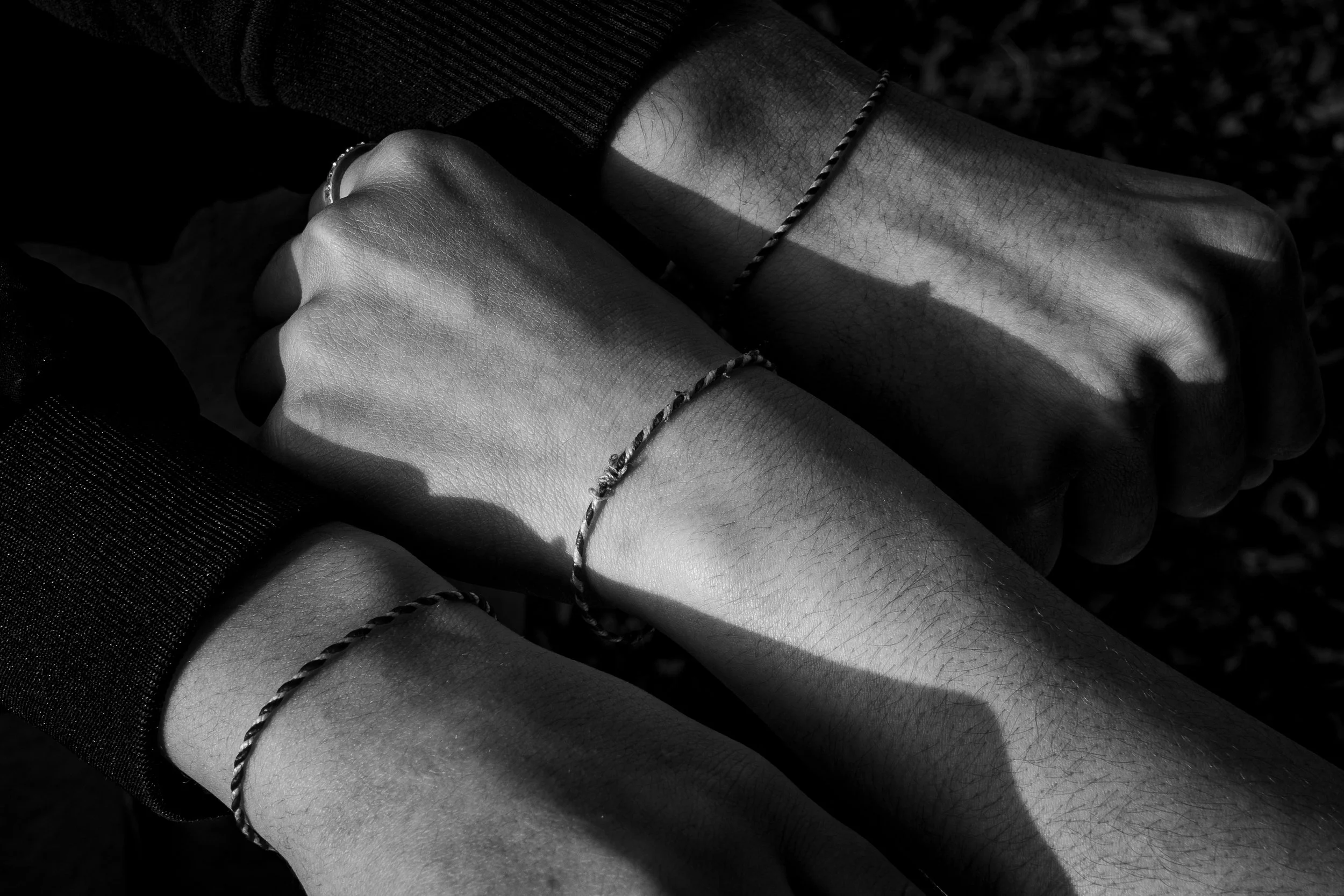
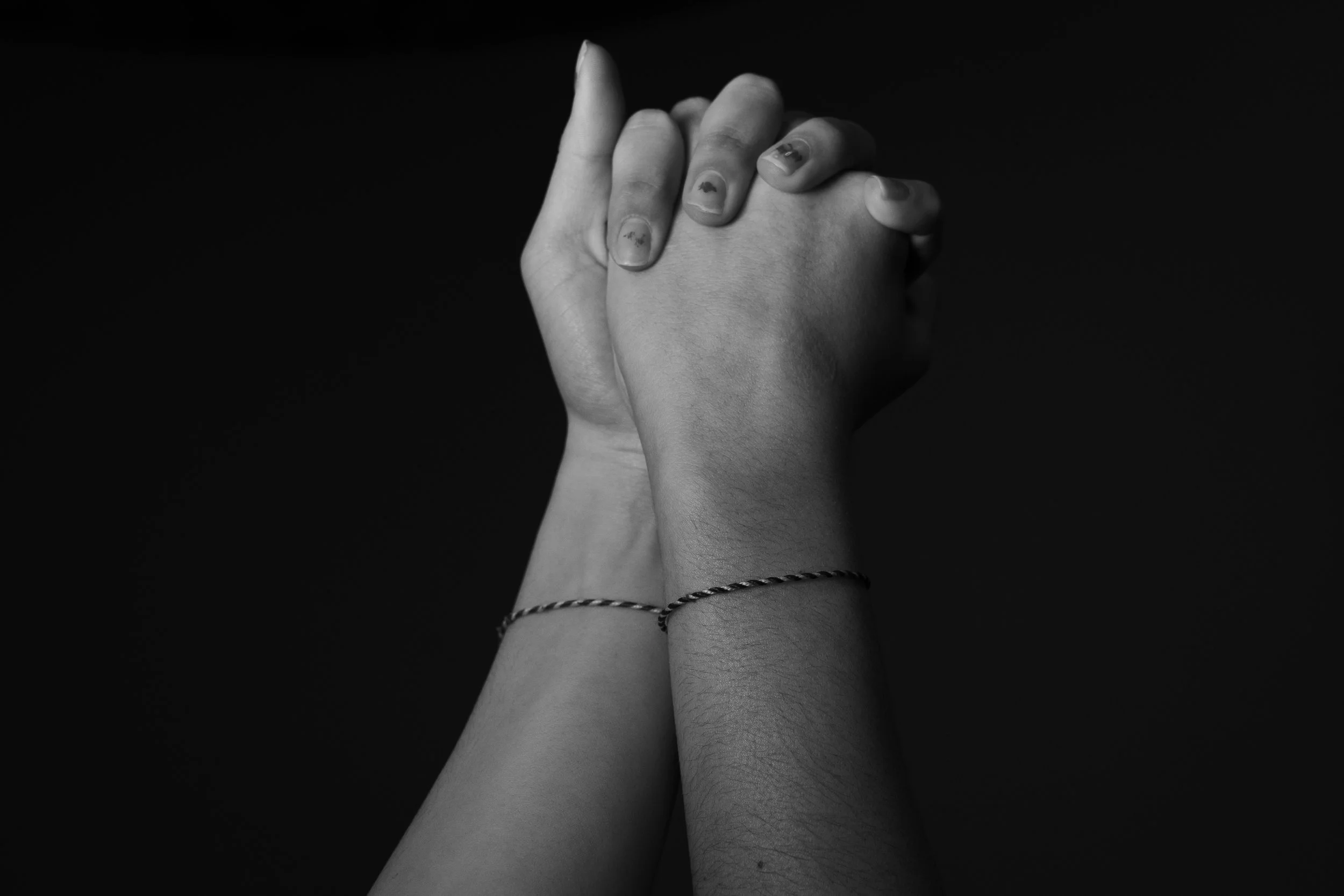
Traditions play an important role in his life. Raj told us about Batezmie, a tradition where bracelets are made as a symbol of connection. For him, that moment represents respect for his culture. He also spoke about Gmaee in Lalish, a seven-day period when the community comes together to celebrate traditions and faith.

Football holds a central place in his life alongside his culture. “It is not just a sport for me, but also a way to develop my discipline, perseverance, and ambitions.”

“The moments when I played as a child with a ball at my feet and dreamed about a future in football. Those simple moments gave me freedom and happiness.”

“My journey and my life here have made me stronger as a person. I have learned that perseverance and resilience are essential.”

When we asked him about his future, he answered without hesitation: “My dream is to develop myself into a player who is recognized and respected worldwide. I want to show that my Yezidi culture is an important part of my identity, and that with ambition, hard work, and pride in your background you can achieve your dreams.”
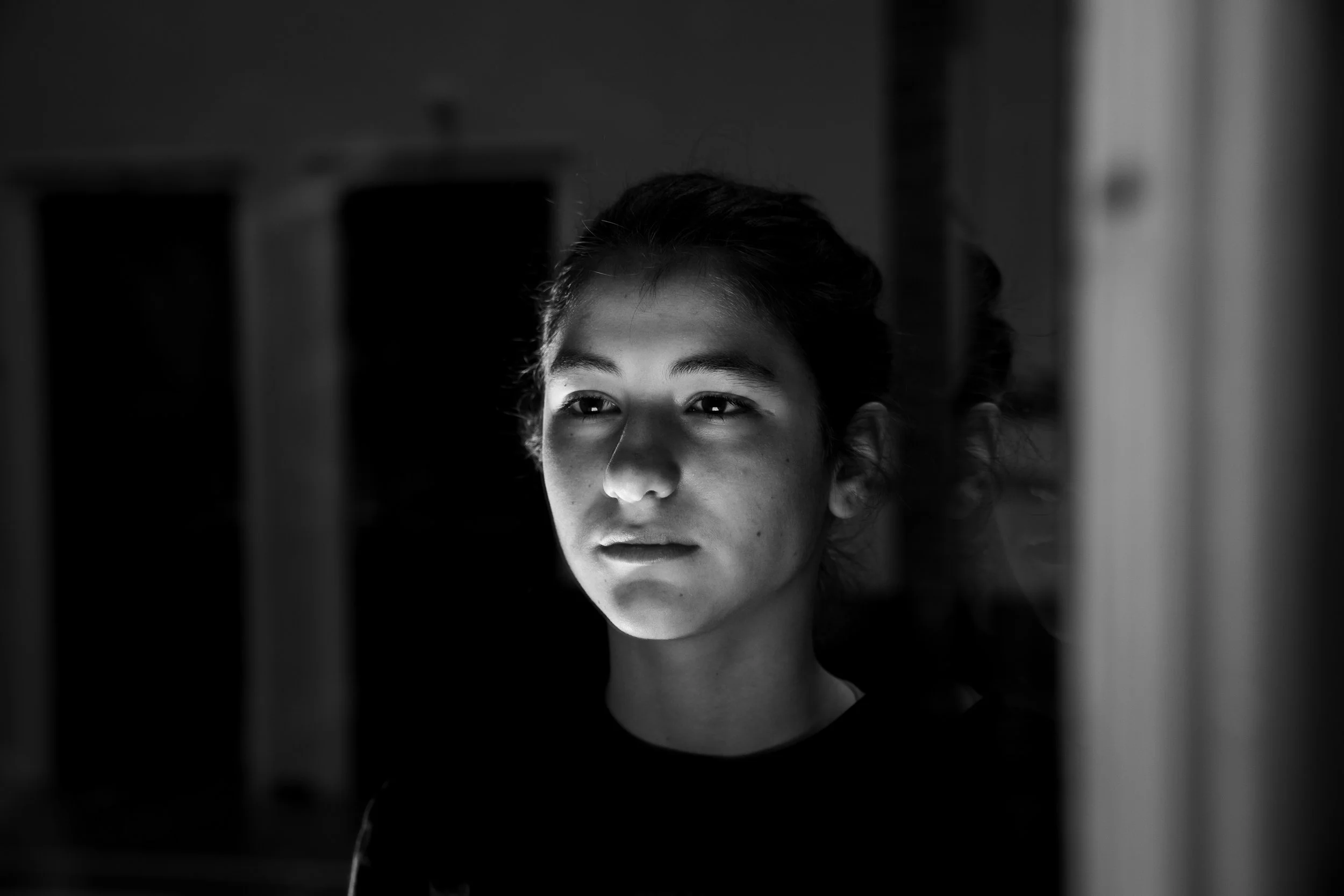
02 — Portrait
Suzan Muhi
14 years · Sibashigder
02
Suzan Muhi

Suzan is someone who radiates calmness and strength. Gentle in her presence, yet powerful in her words. She listens carefully, reflects deeply, and knows exactly what matters to her. Within Nowruz, we see in her someone who carries her identity with pride while remaining open to the world around her.

“For me, being Yezidi means that I am connected to my faith, my history, and my community. It gives me a strong identity and a sense of pride.”

“Important values from my culture are respect for family, solidarity with the community, and preserving our traditions.”

“A memory I never want to lose is celebrating festivals together with my family and community. It gives me a warm feeling of connection and makes me feel where I come from.”

“I have learned that I am stronger than I thought and that I can adapt to new situations and cultures. I have discovered how important my own background and culture are to me, because they form a big part of my identity.”

When we asked her about the future, she spoke with hope and direction: “I hope I can follow my dreams, build a good future, and be something positive for others. I also want people to better understand that my culture is rich in history, traditions, and values, and that respect and understanding between different cultures are very important.”
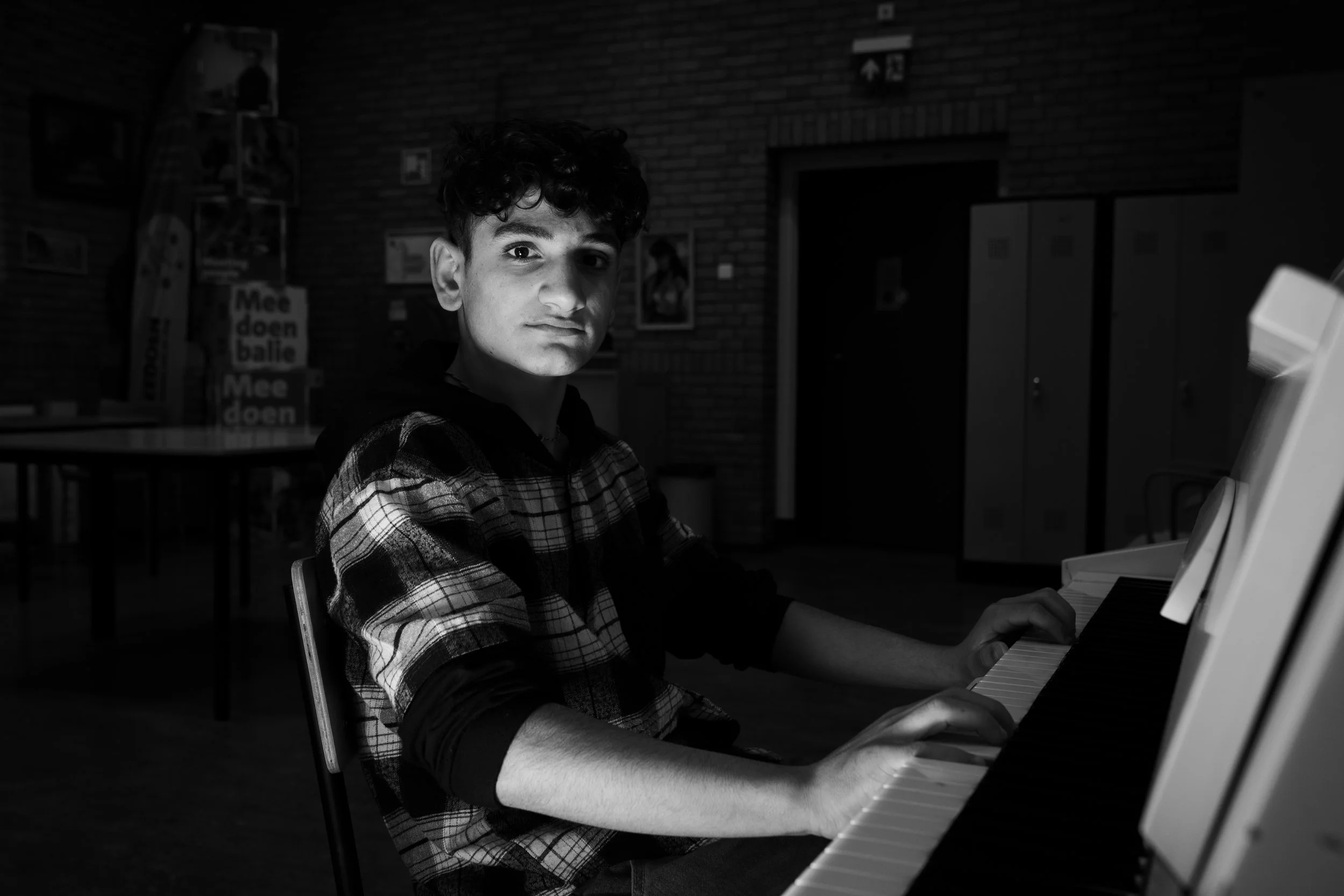
In Suzan, we see exactly what Nowruz stands for: connection, identity, and the strength to tell your own story with pride — moving toward a new day.

03 — Portrait
Farhat Simo
13 years · Sibashigder
03
Farhat Simo

Farhat is someone who immediately stands out because of his energy and positive mindset. Always active, focused, and motivated, but also someone who reflects on who he is and where he comes from. Within Nowruz, we see in him a young boy who is not only growing on the pitch, but also as a person.

“Being Yezidi means to me that I am part of a special tradition and that my faith gives me strength and guidance. I am proud of who I am and of everything my culture teaches me: respect for family, compassion, and connection to the community.”

Traditions play an important role for Farhat. He spoke about celebrating Çaršema Sor, the Yezidi New Year, and about passing on stories and values to the next generation. For him, these are moments that strengthen his identity and give him direction.

“Coming together with my family and community during our festivals and religious ceremonies. Praying, the music, the food, and sharing stories give me a feeling of home and connection.”

“My life and journey here have made me stronger and more resilient. I have learned that you can always find a new path, no matter what you have been through.”
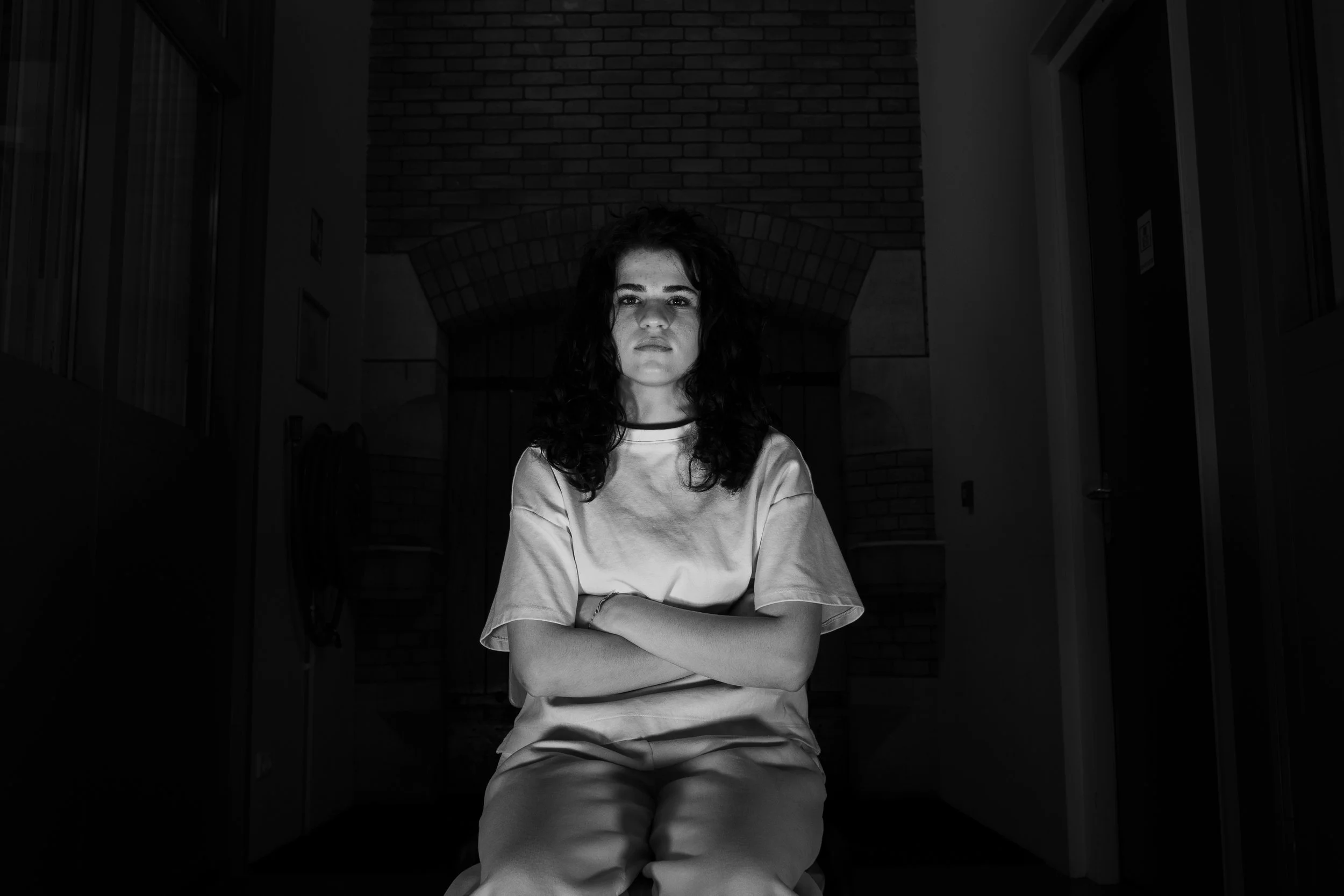
04 — Portrait
Dunya Barso
15 years · Shingal · Iraq
04
Dunya

Dunya is calm, but powerful in what she says. She chooses her words carefully, and when she speaks, you feel that everything comes from somewhere deep. Within Nowruz, we see in her someone who carries her story — not loudly, but with strength and awareness.

“For me, being Yezidi means that I carry an ancient history and culture with me, full of faith and perseverance. It is not only a religion, but also an identity and a feeling of connection.”

For Dunya, it is more than just religion. She spoke about what she wants to preserve: respect for family, traditions, and love between people. And especially the stories. “The stories of our ancestors and our religious festivals are very important to me, because they remind me of my roots.” Those roots return throughout her story — like a compass that guides her, wherever she goes.

“The moments from my childhood with my family and the atmosphere of celebrations and gatherings in our community. Those moments were full of joy and gave a sense of safety. These memories give me strength, wherever I am, and remind me of who I am and where I come from.”

“I have discovered that I am stronger than I thought and that a person can start again, even after difficult experiences.”

Within Nowruz, we often see this: young people who carry their story, but also rebuild themselves. As Dunya says, she has learned to adapt and to appreciate the small things in life — step by step, without losing her foundation.

When we asked her about the future, she stayed close to herself: “I hope to build a stable life and achieve my goals in my studies and work. I want people to understand that Yezidis are a people who love peace and life.”

In Dunya, we see what Nowruz stands for: a story that may be told quietly, but is deeply rooted — like a tree that stands strong because her roots run deep.

More from Stichting Nowruz

dunya ali barso

15 years - shingal

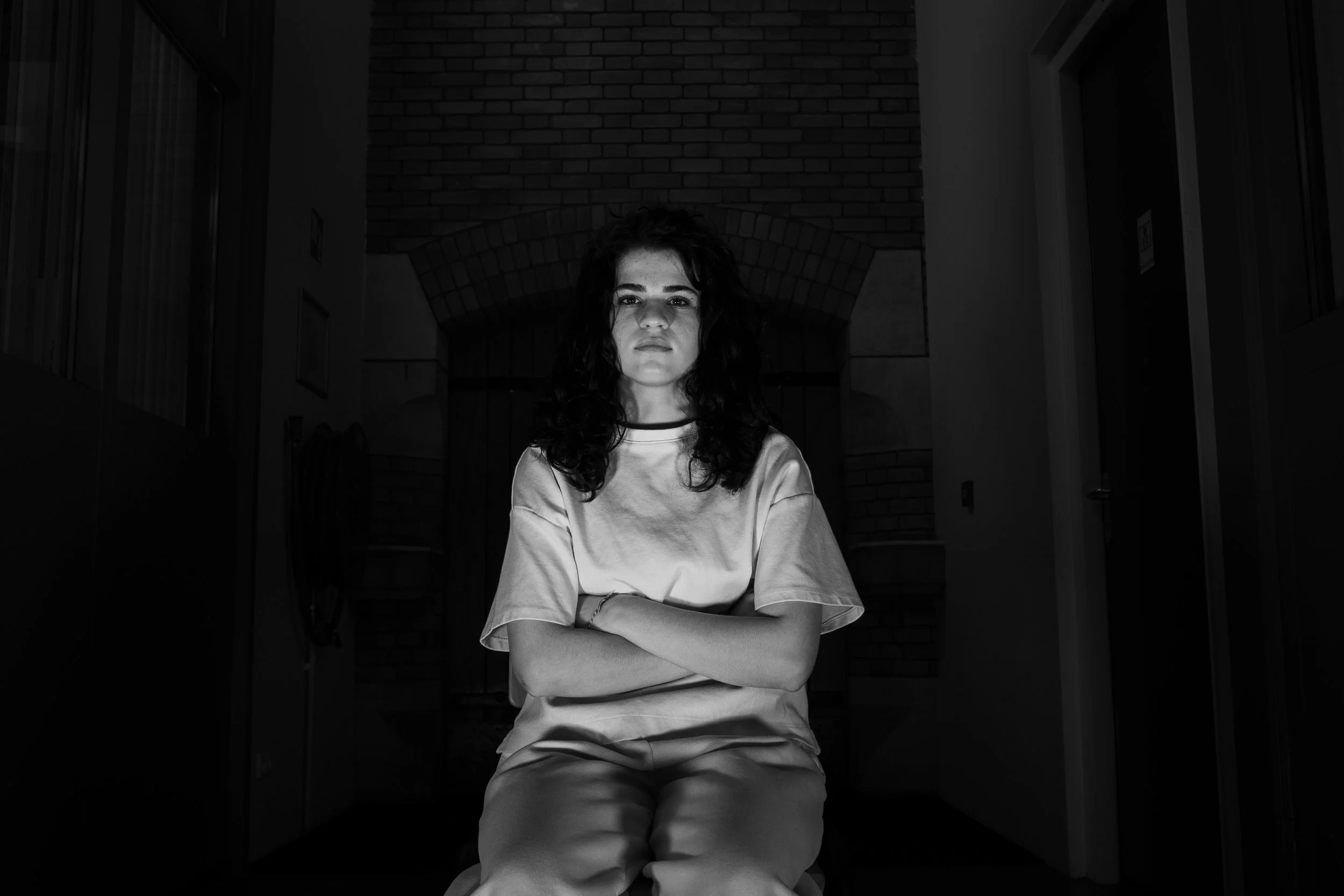
Black and white photo of a young woman with curly hair sitting with arms crossed, looking serious, in a dimly lit room with brick and wood background.

Dunya is calm, but powerful in what she says. She chooses her words carefully, and when she speaks, you feel that everything comes from somewhere deep. Within Nowruz, we see in her someone who carries her story — not loudly, but with strength and awareness.

During an interview, we asked her what it means for her to be Yezidi. She said: “For me, being Yezidi means that I carry an ancient history and culture with me, full of faith and perseverance.”

For Dunya, it is more than just religion. “It is not only a religion, but also an identity and a feeling of connection. She spoke about what she wants to preserve: respect for family, traditions, and love between people. And especially the stories. “The stories of our ancestors and our religious festivals are very important to me, because they remind me of my roots.” Those roots return throughout her story — like a compass that guides her, wherever she goes.

When we asked her about memories she never wants to lose, she went back to her childhood: “The moments from my childhood with my family and the atmosphere of celebrations and gatherings in our community.” For her, these are more than memories — they are a feeling. “Those moments were full of joy and gave a sense of safety.” They still carry her today. “These memories give me strength, wherever I am, and remind me of who I am and where I come from.”

Her journey has changed her. “I have discovered that I am stronger than I thought and that a person can start again, even after difficult experiences.” Within Nowruz, we often see this: young people who carry their story, but also rebuild themselves. As Dunya says, she has learned to adapt and to appreciate the small things in life — step by step, without losing her foundation.

When we asked her about the future, she stayed close to herself: “I hope to build a stable life and achieve my goals in my studies and work.” But her vision goes beyond herself. “I want people to understand that Yezidis are a people who love peace and life.”

In Dunya, we see what Nowruz stands for: a story that may be told quietly, but is deeply rooted — like a tree that stands strong because her roots run deep.